
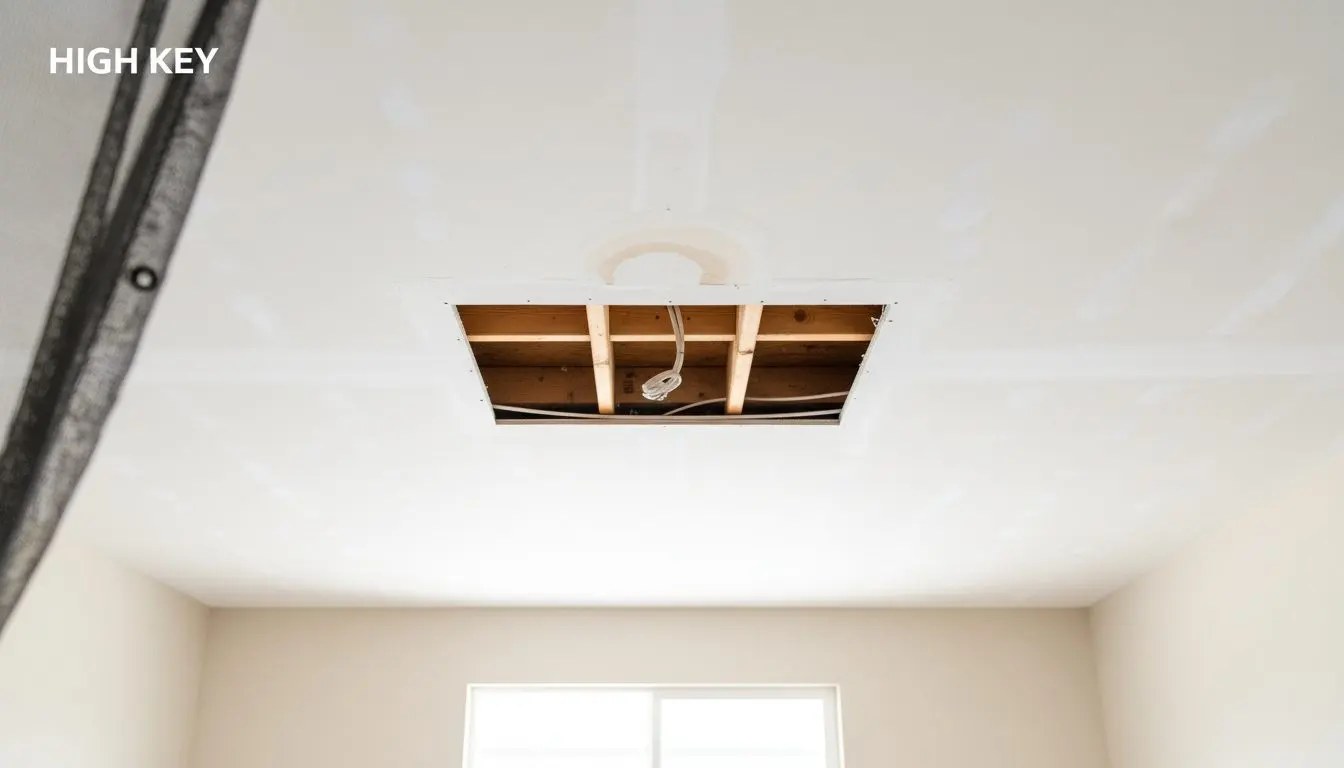
Water Damage Repair in Spokane
Water Damage Repair in Spokane, WA
Cut back past the damp line, dried and read with a meter before anything closes up, then rehung and textured to match the room.
How far the board has to come out after a leak
You get the room back with nothing to show for it, and a cavity behind the board that is dry rather than assumed dry.
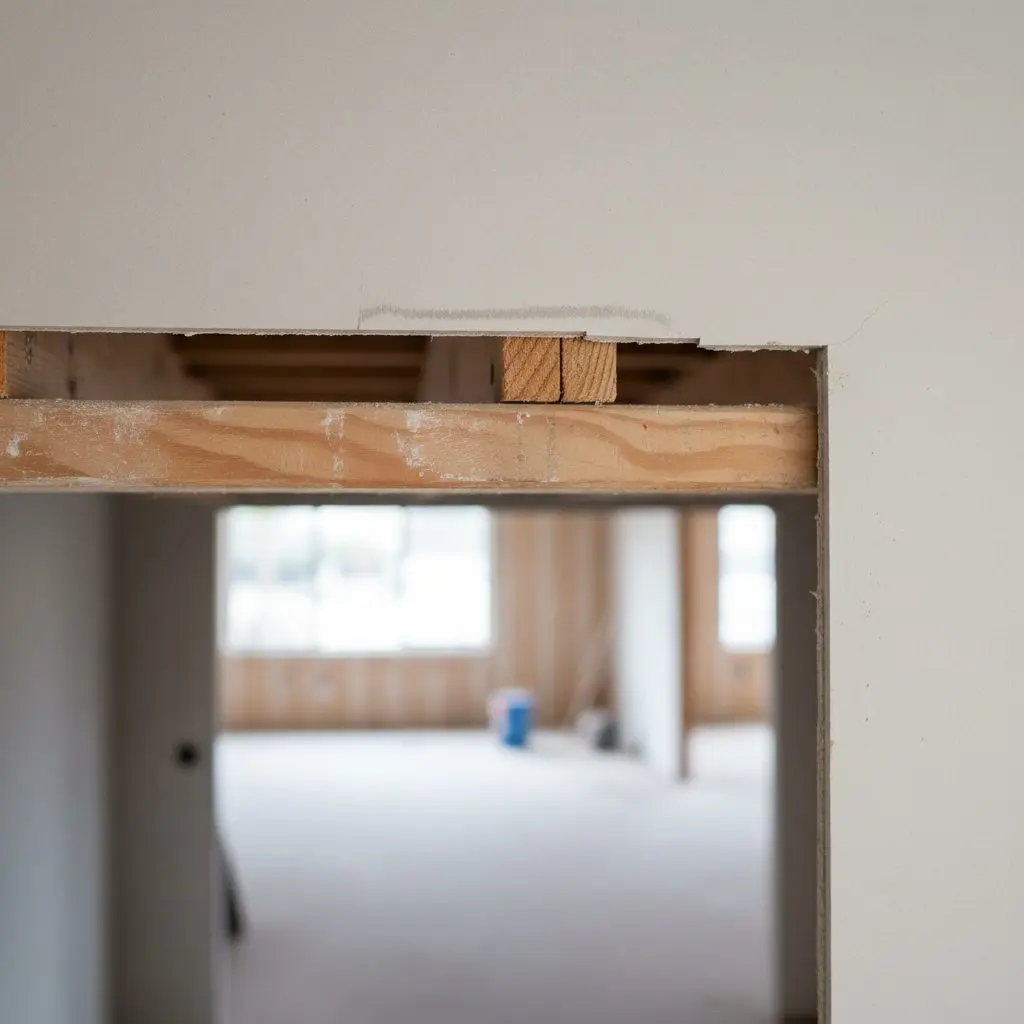
This is putting the room right after a leak, covering wet board, stained ceilings, soft corners and the framing behind them, then the surface textured to match the room. Stopping the leak is a plumber or a roofer, and that comes first.
We take on around thirty-five water jobs a year, most of them in February and March, and roughly a third of those come through an insurer.
Most of it is ceilings after ice dams, then burst and failed supply lines inside walls, then roof and window leaks that have been running quietly for a season, then appliance floods taken up from below. Board is cut back to material that reads dry on a meter rather than to the edge of the stain, because gypsum wicks water sideways along the paper face and the damp line is nearly always further out than the mark you can see.
Homeowners who came downstairs to a bulging ceiling and do not know who to call first, and landlords and insurers who need the unit dry, documented and back in use.
Call for a free moisture reading at (509) 357-5705. You will go from checking that stain every morning to see whether it has grown, to not thinking about that room at all.
What a water damage repair covers
From the wet board coming out to the texture going back on, with the cavity read rather than guessed at.
- Wet board cut back past the damp line
- Framing and cavity read with a meter
- Insulation removed where it has held water
- Ceilings rehung after ice dams
- Rehung, taped and finished to match
- Texture sprayed from a sample off your wall
- Photographs and moisture readings for insurers
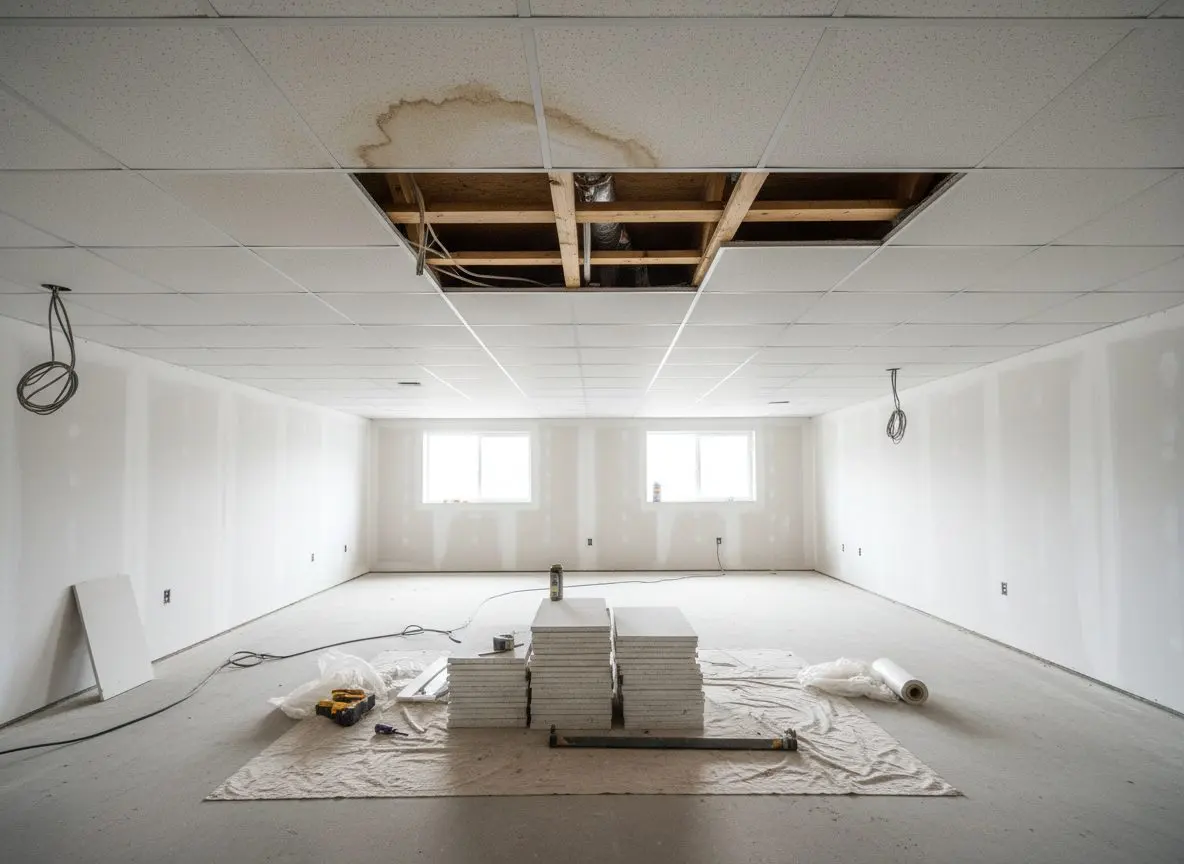
Drying it out or taking it out: which one your wall needs
A wall that has been wet for two days and one wet for two months are different jobs.
Drying in place is the answer when the water is clean, the leak was caught inside about forty-eight hours, and the board is stained but still firm. Open it, dry it, read it and close it, and there is nothing to replace but a section of finish.
Cutting out is the answer once the board has gone soft, or where the water came from a drain or a ground source rather than a supply pipe. Gypsum that has lost its bond does not recover when it dries, whatever it looks like.
We tell you which of the two you are looking at on the first visit, with the meter reading in front of you rather than an opinion from the doorway, including on the days it turns out to be the cheaper answer.
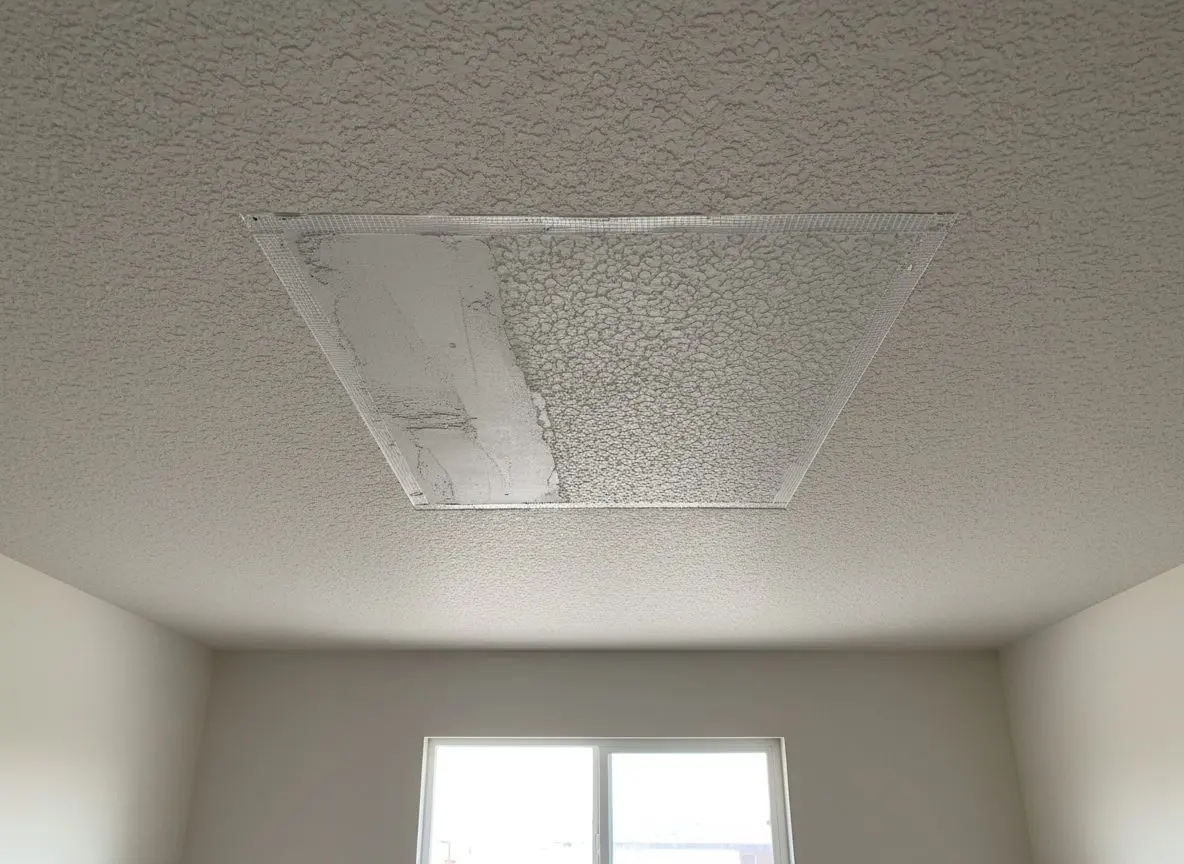
What goes into a repair that does not come back
Nothing closes up on a reading somebody took by looking at it.
Every job starts with a moisture map rather than a visual one: readings across the affected area and well past it, into framing and into the board on the far side of the cavity, with the numbers written down. The cut line is set from that map, squared to the framing, and taken back to material that reads dry rather than to the edge of the stain.
Wet batt insulation comes out. Framing is dried and re-read before anything covers it. New board goes back in the specification the assembly calls for, five-eighths on ceilings, moisture-resistant in wet rooms, Type X where a rating applies. It is bedded in setting compound and finished to match the texture around it.
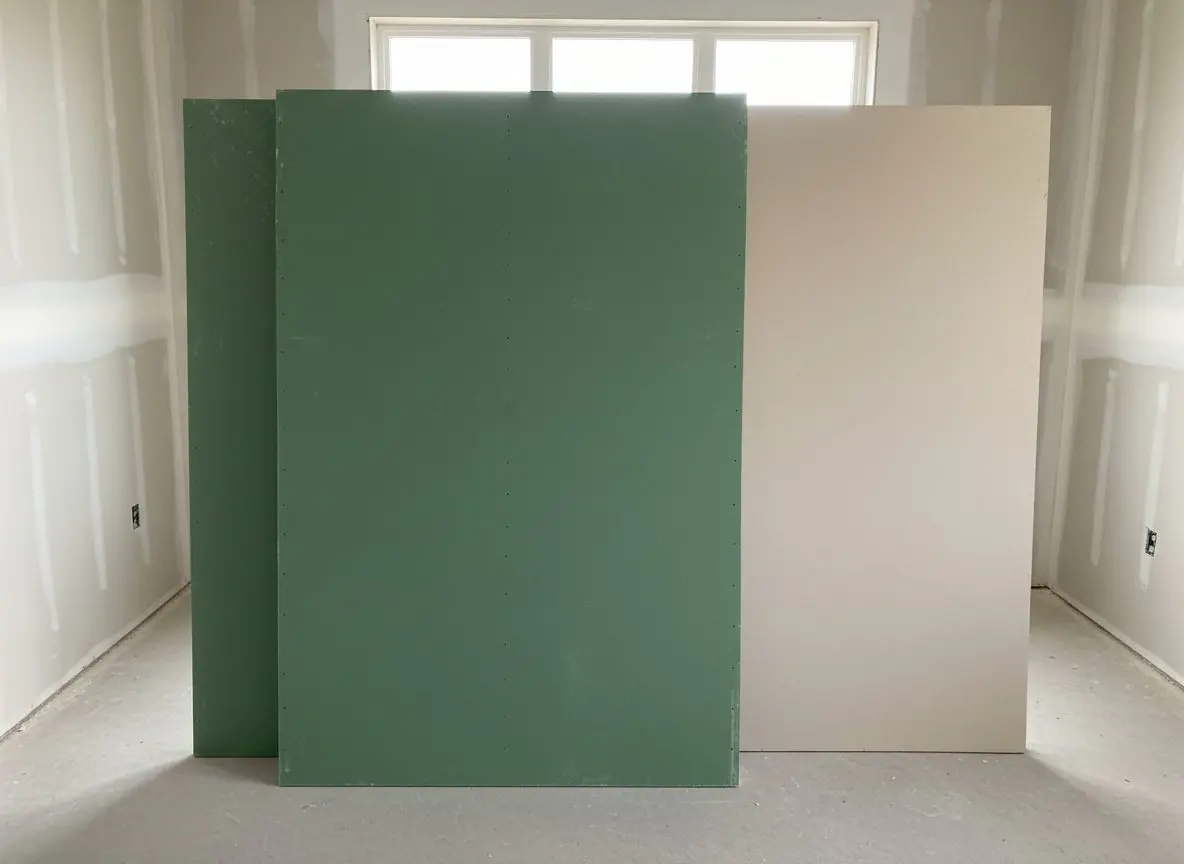
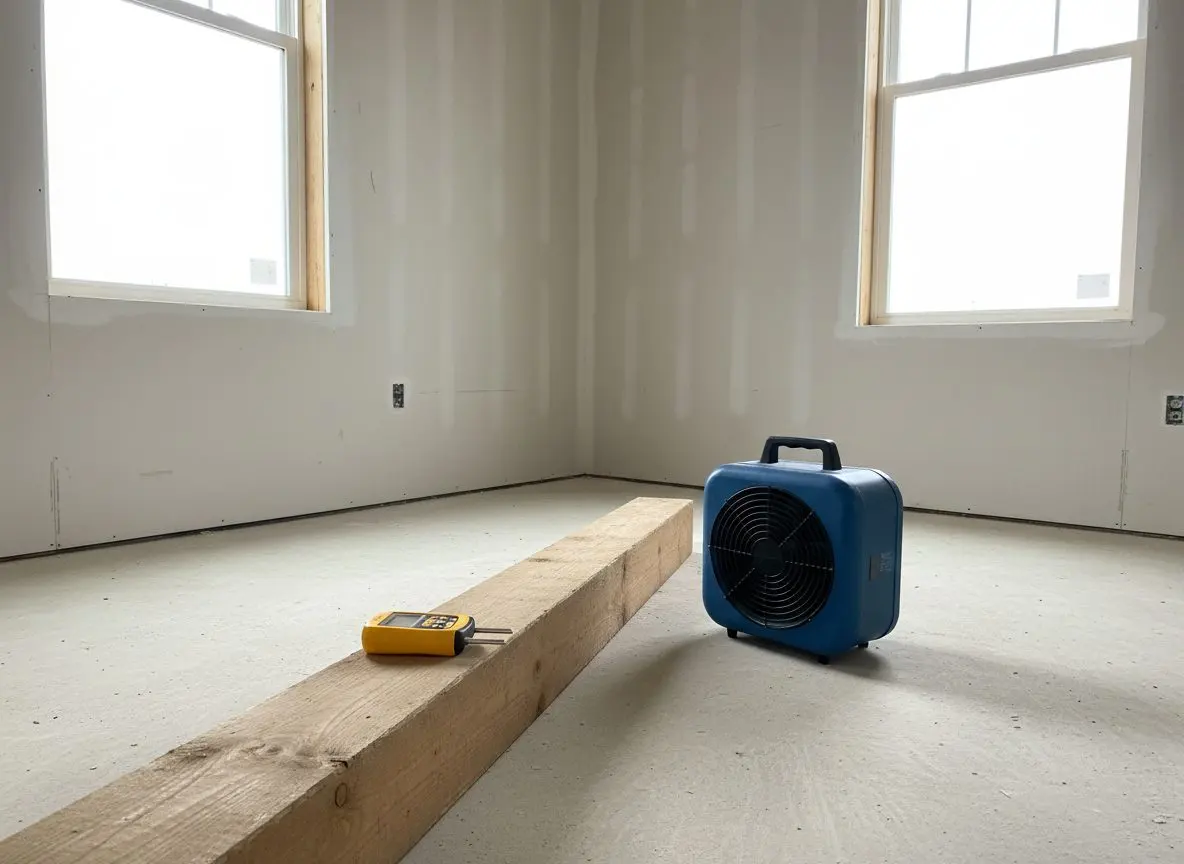
- Moisture readings taken and written down
- Cut line set by meter, not by the stain
- Wet batt insulation removed, not left in
- Framing re-read dry before anything closes
- Board replaced to the assembly's own spec
- Photographs kept for the claim
Ask your other two quotes where they will put the meter, then call us and we will read the wall for free and tell you what it says.
(509) 357-5705Why one stain costs more to put right than another
A water job is priced by how far the water traveled and how long it sat, and neither of those is the size of the mark on the ceiling.
- How long it was wet
- A leak caught the same day usually dries in place. One that has run behind a wall for a season has taken the insulation, the framing and the board opposite with it, and all of that is in the price.
- Where the water came from
- Clean water from a supply line is one job. Water off a roof through insulation, or anything from a drain, is another, and the second brings more out of the wall regardless of how it looks.
- Ceiling or wall
- Water finds ceilings, and ceilings are the slowest surface to work on. Board overhead is heavier, the room below all has to be protected, and everything above it has to be checked before it is closed.
- How much has to come out
- The cut is set by the meter rather than the stain, so a small mark can mean a large opening. That is settled on the visit with a probe rather than argued about afterwards from a photograph.
- Drying time in the middle
- A wall that has to stand open for three days is two visits rather than one. It is the single thing people are least prepared for and the one that most often decides whether a repair holds.
- Matching what is around it
- Putting the board back is quick. Making it disappear into an aged knockdown or a painted ceiling is the slow half, and the larger the opening the harder that match becomes.
Which of these apply is settled with a meter on the first visit, and it comes back to you as a written scope rather than a range. Get a free quote
From your call to a swept floor, in six steps
Three to six days on site, and most of the noise is over in the first two.
Call for a free look and a meter reading, and we will tell you what is actually wet before anybody quotes a strip-out.
Get a free quoteWhat a properly dried repair is worth later
A stain that came back is worth less to a buyer than the leak that caused it.
No report puts a resale figure on water damage repair, and anybody quoting one has invented it. What is real is that a water mark is the single most consequential thing an inspector can write on a report in Spokane, because it is never read as drywall. It is read as a roof, a supply line or a drain, and a buyer prices the worst of the three.
That is the half no report covers and the half you control. A repair cut back to dry material, closed on a reading and textured into the surface around it leaves nothing to find and nothing to explain, which matters more here than a cosmetic argument, because the question a buyer asks about a stain is not how it looks but whether it is still happening.
Why water gets into walls here, and where it goes
Ice dams are the local cause, unheated crawlspaces freeze supply lines, and dry air hides how far the water went. Three things that decide how a water job is scoped.
- Ice dams are the local cause
- A cold roof, a warm attic and a freeze-thaw week in February put more water through ceilings here than plumbing does. It enters at the eaves and tracks along a joist before it shows, so the stain is rarely anywhere near where it got in.
- Unheated crawlspaces freeze supply lines
- A cold snap on an uninsulated run under a floor or in an outside wall splits a pipe, and it usually shows on a thaw rather than on the freeze. What looks like a sudden flood has often been running quietly into a cavity for a day first.
- Dry air hides how far it went
- Air this dry pulls the surface dry within a day or two while framing and insulation behind the board stay wet for weeks. A wall that looks and feels dry here is the reason a meter is not optional, and why we read past the mark rather than at it.
Walls and ceilings we have finished around Spokane
Rooms we have put right after a leak, with the town each job went into. Every one was read with a meter, dried and refinished by our own crews.
-
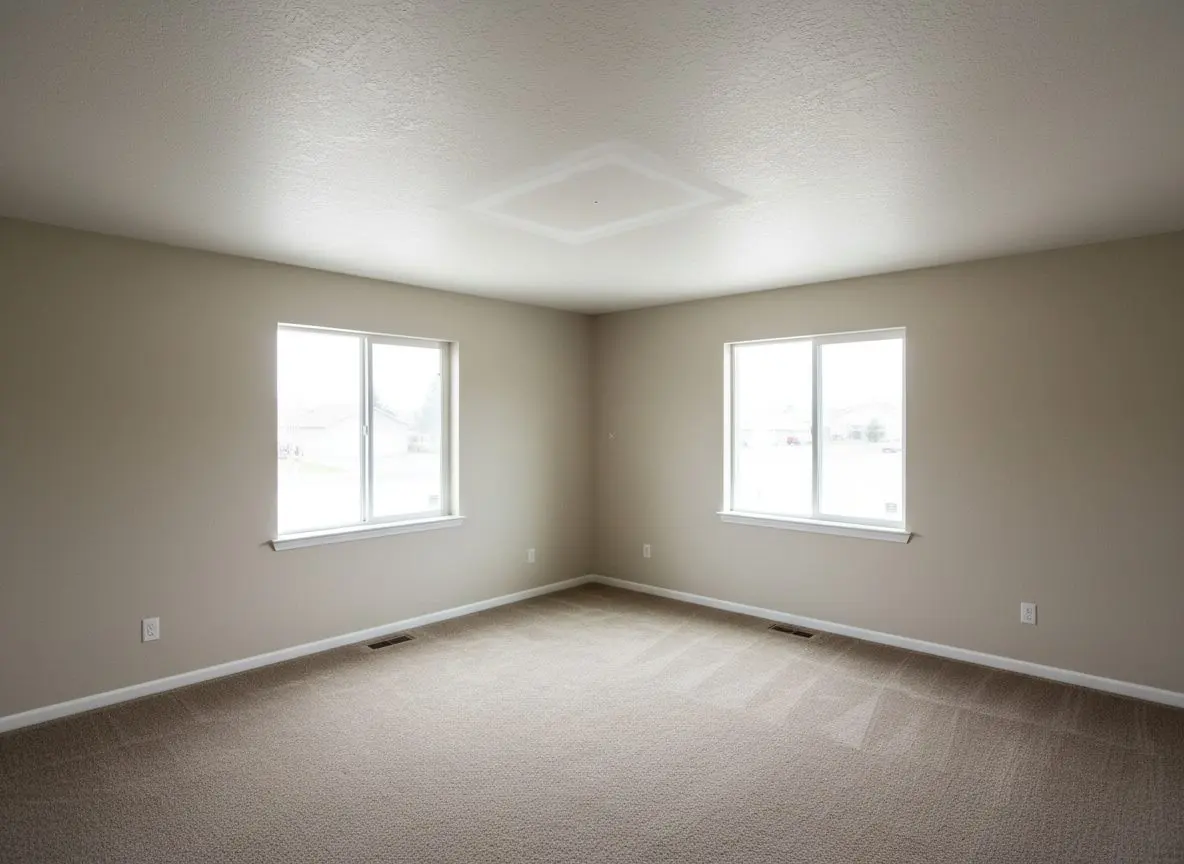
Ceiling out after an ice dam
Colbert
Water tracked three joists past the stain. Cut back to a dry reading, framing dried and re-read, then rehung and textured to match.
-
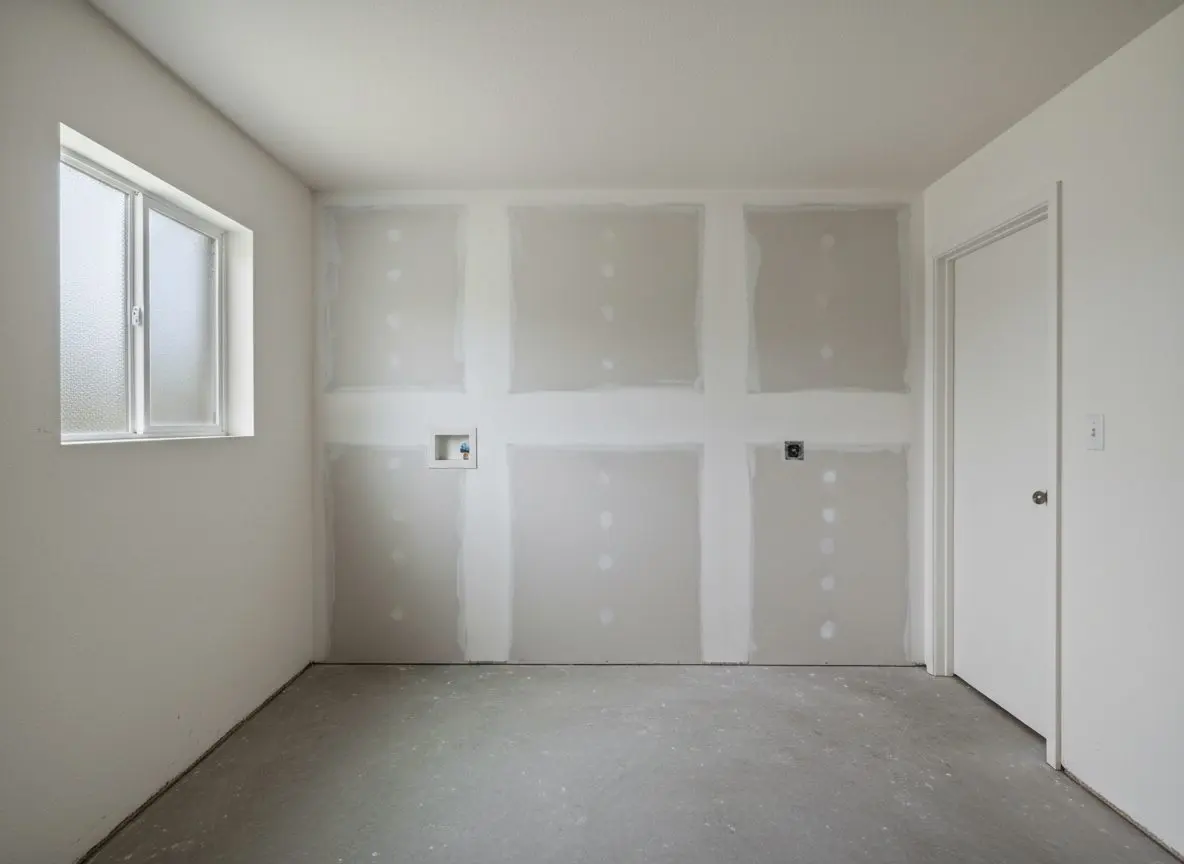
Split supply line behind a wall
Deer Park
Board and wet batt out to sound framing, wall left open four days to a reading, then closed, finished and blended into the room.
-
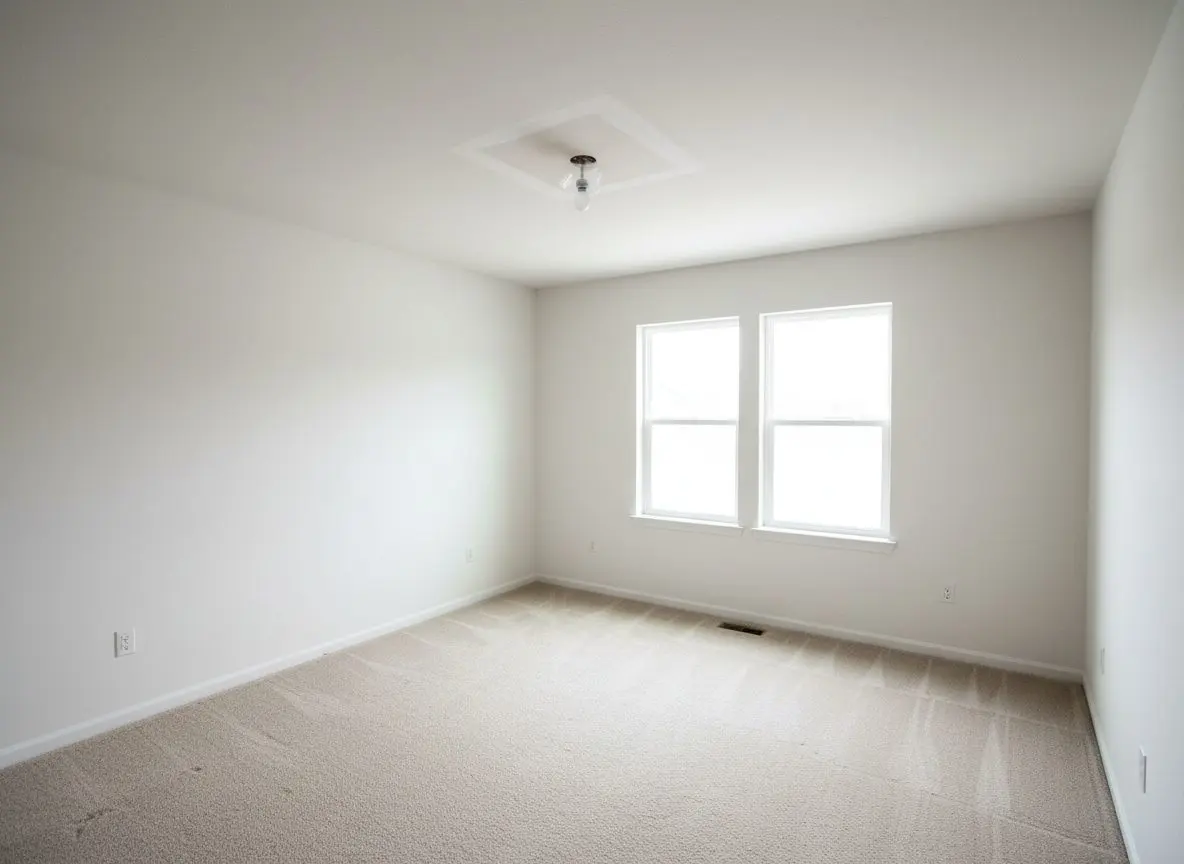
Roof leak found a season late
Hillyard
Quiet leak into a cavity through a whole winter. Insulation and board removed, framing dried and checked before anything went back on.
-
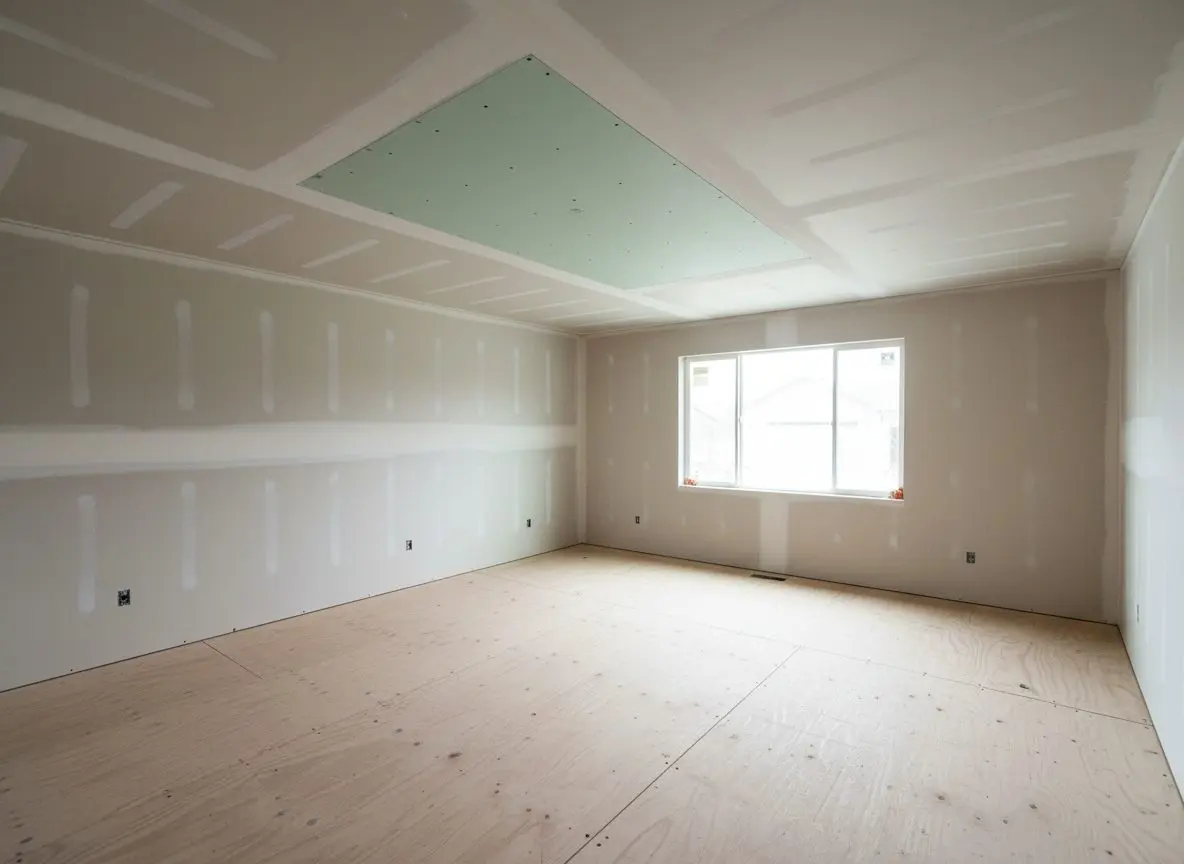
Bathroom flood taken from below
Liberty Lake
Ceiling below the bathroom opened, joists dried and read, and moisture-resistant board put back where the old sheet had been standard.
-
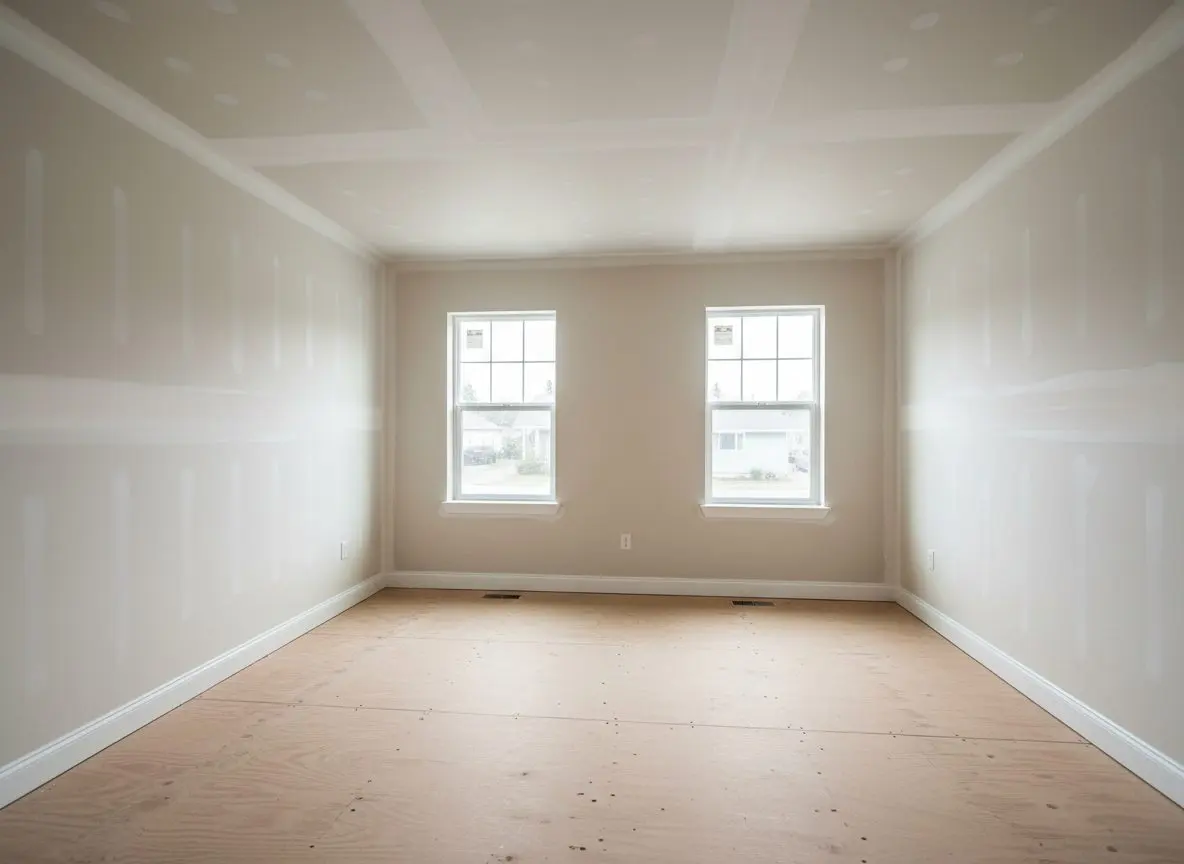
Insurance job documented throughout
Spokane Valley
Photographs and readings taken before anything was touched, with a written scope of what came out, which is what the adjuster settled from.
-
Window leak into an outside wall
Browne's Addition
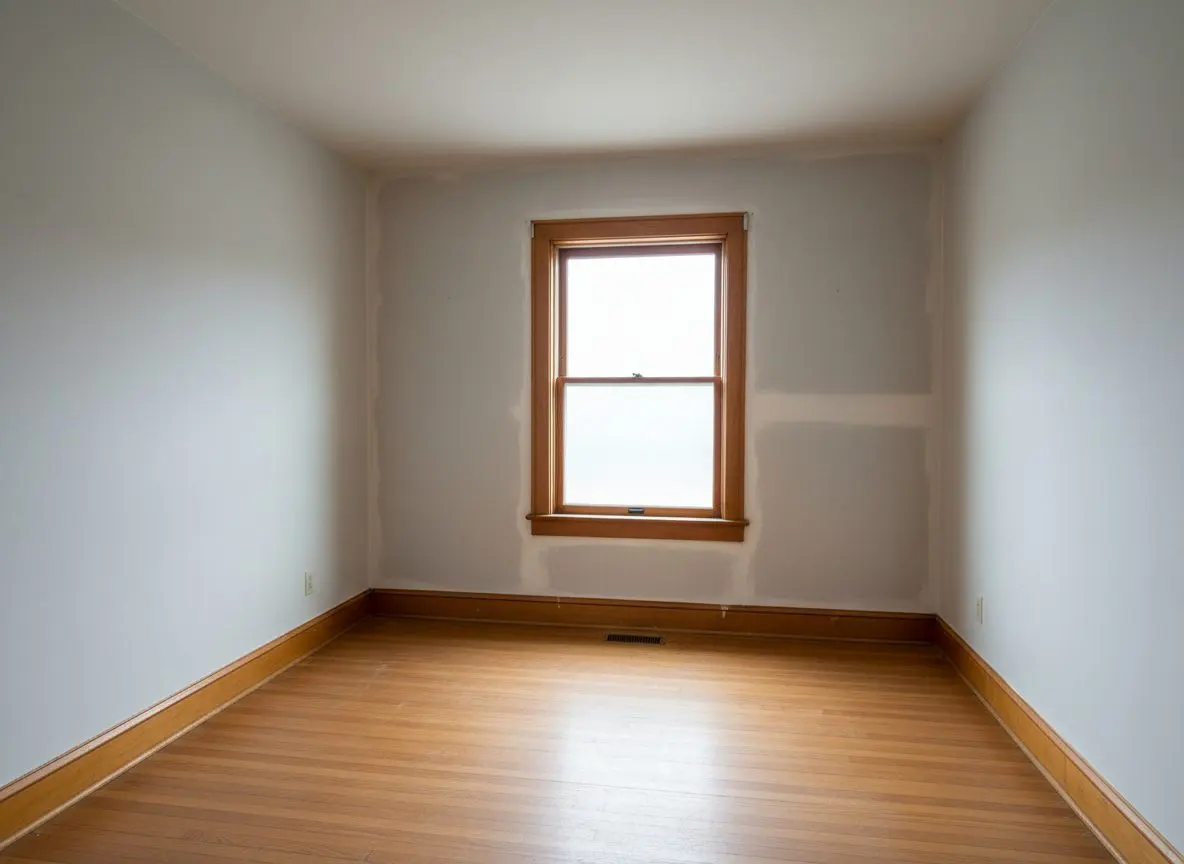
Plaster and lath opened either side of the reveal, dried out over a week, then bonded and skimmed rather than rehung.
What people said once the room was dry
-
Rated 5 out of 5
Cut back much further than I expected and showed me the meter readings. The other two quoted off the stain.
Duane R. Colbert Water Damage Repair -
Rated 5 out of 5
The wall stood open four days and I hated it, but they would not close it until it read dry. Photographs and readings went straight to the adjuster and the claim went through without a query.
Karen T. Spokane Valley Water Damage Repair -
Rated 5 out of 5
Told me to get the roofer back before they did anything, which cost them the job for two weeks. Then they came back and did it properly. Nobody else mentioned the roof.
Sam I. Hillyard Water Damage Repair
Every one of these started with a look at the room and a price. Yours can start the same way.
Get a free quoteFAQs
Frequently asked questions
Questions people ask after a leak
Is a small stain on the ceiling worth calling about?
Yes, and early is cheaper than late. We look at small marks constantly and a good share of them turn out to be old and dry, in which case we say so and the visit costs you nothing. The rest are still wet above the board, and the size of the stain has very little to do with the size of that.
Do you find the leak, or only repair the damage?
We find where the water came through when the ceiling is open, but we do not fix roofs or plumbing. Those are other trades. We will not board over a leak that is still running, so the source gets fixed first and we come back afterwards. Telling you what is above the stain is part of the visit, not an extra.
Can you come out the same day if a pipe has burst?
Usually, if you call in the morning. The first job is opening the wall so it can start drying, which matters more than anything cosmetic and takes very little time. The finishing waits on the drying either way, so these are two visits rather than one.
Do I need moisture-resistant board in a bathroom?
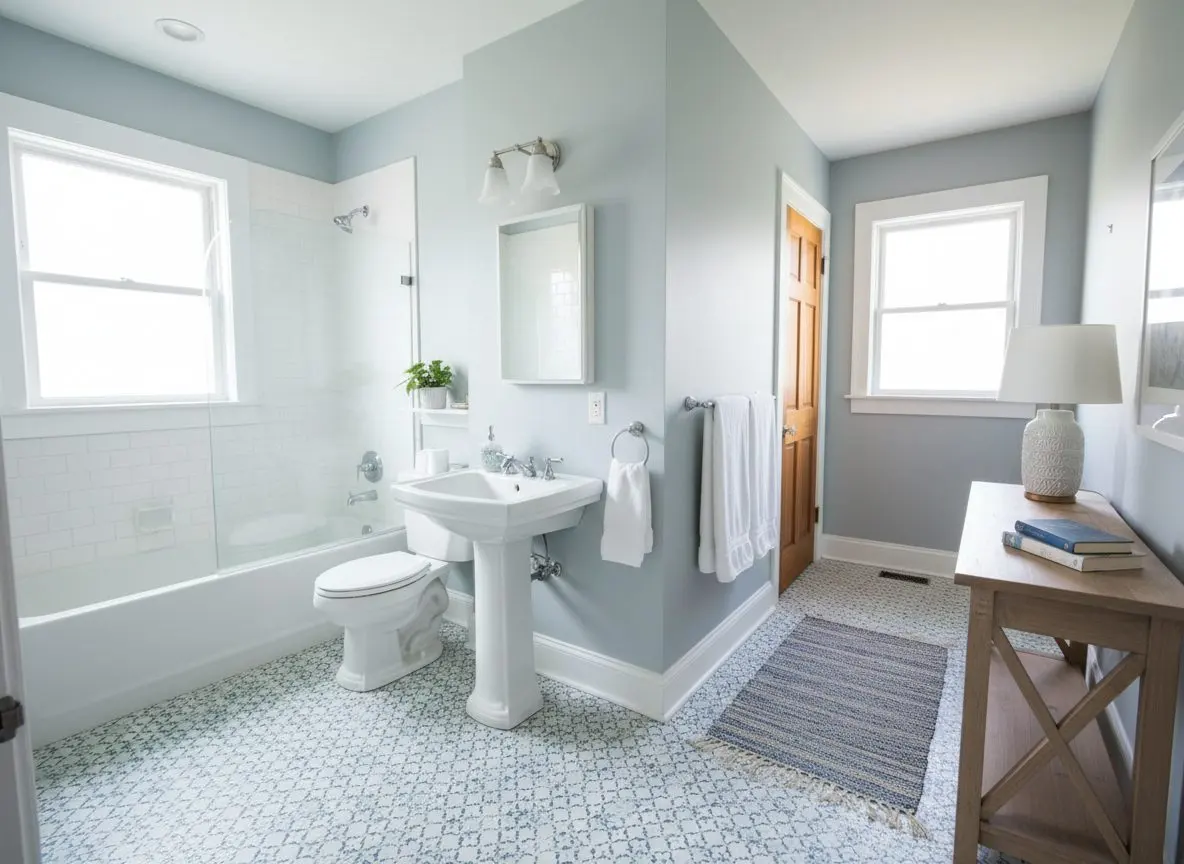
Behind the tub and the shower, yes, and cement board where tile is going over it. The rest of the room is usually standard board with a decent fan doing the work. Green board everywhere is a common upsell and it does not fix a bathroom that is not ventilated.
How long does it have to dry before you board it?
Days rather than hours, and a reading decides it rather than the calendar. Framing that got properly wet takes most of a week with air moving across it. Spokane's dry air helps more than people expect, and a closed heated house in February dries faster than an open one in June.
Do you treat mold, or only cut out the wet board?
We cut out and dispose of affected board and clean the framing behind it, which covers the surface growth a small leak leaves. Anything bigger than a few square feet, or anything that has reached ductwork or an air handler, is remediation and belongs to a licensed remediation contractor. We say which you have.
Who pays if more damage is found once the wall is open?
You do, and you find out before it is done rather than on the invoice. What is behind a wall cannot be quoted from the front of it, so our price covers what we can see and anything beyond it is priced and agreed while the wall is still open. On an insured job that goes to the adjuster as a supplement.
Do you put the baseboard and trim back afterwards?
We take it off carefully and refit it where it survives, which on painted softwood is most of the time. Old growth trim and anything with a molded profile is worth saving and we will say so. Replacing trim we could not save is a carpenter's job and we will tell you rather than approximate it.
How soon after a leak should I call you?
Once the water has stopped, and before anything has been closed up or painted over. The first forty-eight hours are what decide whether a wall dries in place or comes out, so a call on the day is worth more than any amount of work afterwards. We would rather look and find nothing than arrive in a month.
Can you work around a restoration firm's drying equipment?
Yes, and we would rather you left it running than pulled it out for us. Air movers and dehumidifiers are doing the part of the job that decides whether our repair holds, so we work to their readings and start closing up when the numbers say so rather than when the schedule would prefer.
Will you work with my insurance company?
We document it for you and you deal with them. Photographs before anything is touched, moisture readings through the drying, and a written scope of what comes out and what goes back is what an adjuster asks for. We do not bill insurers directly and we do not write the claim, because the contract is with you.
What if the same corner marks again next winter?
Call us and we will come and look at it. A mark that returns in the same place in February is usually an ice dam rather than a failed repair, and the fix for that is above the ceiling rather than in it. We will tell you which one it is. What is covered and for how long is set out on your quote.
Spokane Drywall Pros
One crew is kept off the schedule all year, for the ceiling that drops on a Tuesday.
Spokane Drywall Pros hangs, tapes, finishes and textures board across Spokane and the towns out to the county line. New construction and additions, repairs after a leak, popcorn ceilings taken down, and whole houses hung to a turnover date. Four crews and a little over two hundred jobs a year.
Why people call us rather than the next name on the list
- Twelve years hanging drywall in this valley
- The measure is free and the quote names the board and the finish level
- References from recent jobs in your part of town, yours to call
- Dry air here sets compound early, and the schedule is built around that
- The room is swept, vacuumed and handed back before the van leaves
If you have a wall that has cracked, a ceiling that has started to sag or a room that needs drywall from scratch, call (509) 357-5705 and somebody will come and look at it. You get a price taken off the rooms themselves rather than guessed over the phone, and if a patch will do the job we will tell you so.
Give us a call
Send us a message
304 W Pacific Ave, Ste 210, Spokane, WA, 99201
Where to find us