For contractors and property teams

Commercial Drywall Contractors in Spokane

Board, tape and finish on a schedule — priced per phase, worked around your trades and signed off before we invoice.

Working with contractors and property teams in Spokane

You get a drywall crew that shows up on the day it said it would and hands the next trade a surface they can start on.

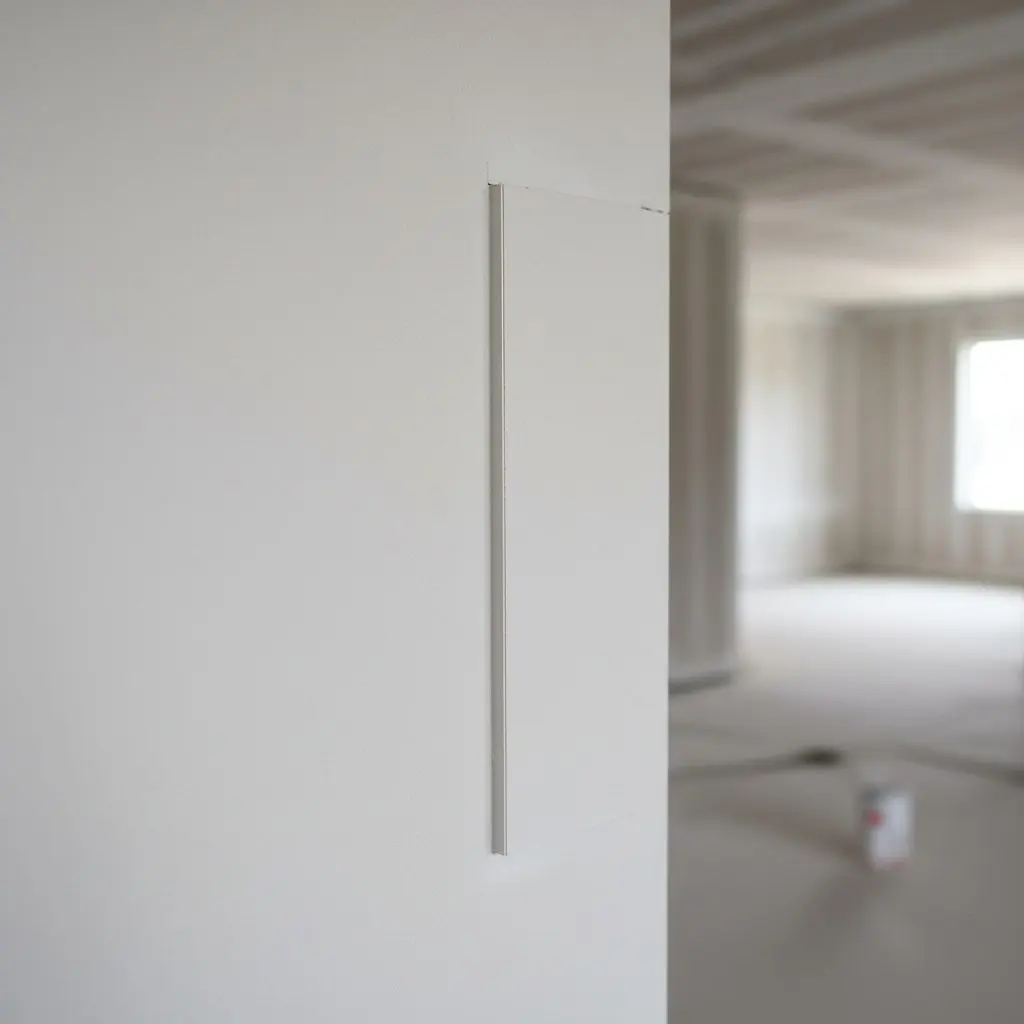
A close, square view of a finished drywall corner in a large commercial buildout, the metal-reinforced bead skimmed over

Spokane Drywall Pros is a drywall contractor in Spokane running four crews. Around a quarter of what we do is commercial — buildouts, multi-family, tenant improvements — and it has been since 2016.

New board on new framing, ceilings and soffits, taping and finishing to the level the spec calls for, and punch-out after other trades. We work off drawings, take off our own quantities, and price by the phase rather than the day.

A single tenant improvement over one weekend is worth a call. So is a forty-unit build-out running six weeks across three floors. The difference is the schedule, not the crew.

Send drawings or a scope to (509) 357-5705 and we will come back with a phased quote. Site visit inside two days, priced within five.

How a commercial job runs

The work is identical. Everything around it is not.

Homeowners want to know what a room will look like. A general contractor wants to know whether we will be off the floor by the fifteenth so the painters can start, whether our take-off matches the drawings, and who signs the variation when the framing turns out not to be where the plans said.

We quote from drawings, phase the work to the schedule rather than to our own convenience, and put someone on site who can answer a question without calling the office.

  • Priced by phase, from drawings
  • Scheduled around the other trades
  • Out-of-hours and weekend access
  • Our own take-off and quantities
  • Named contact on site, not a number
  • Invoiced per stage, on your terms
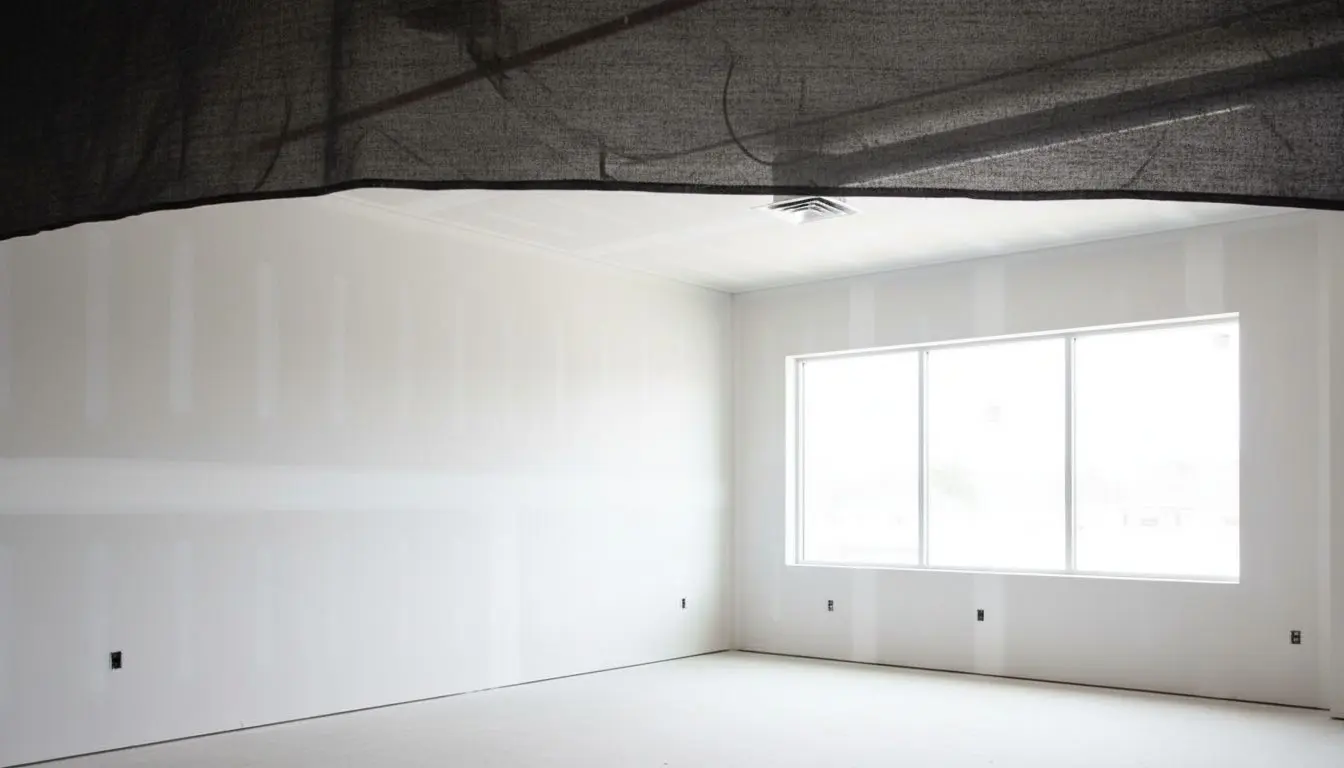
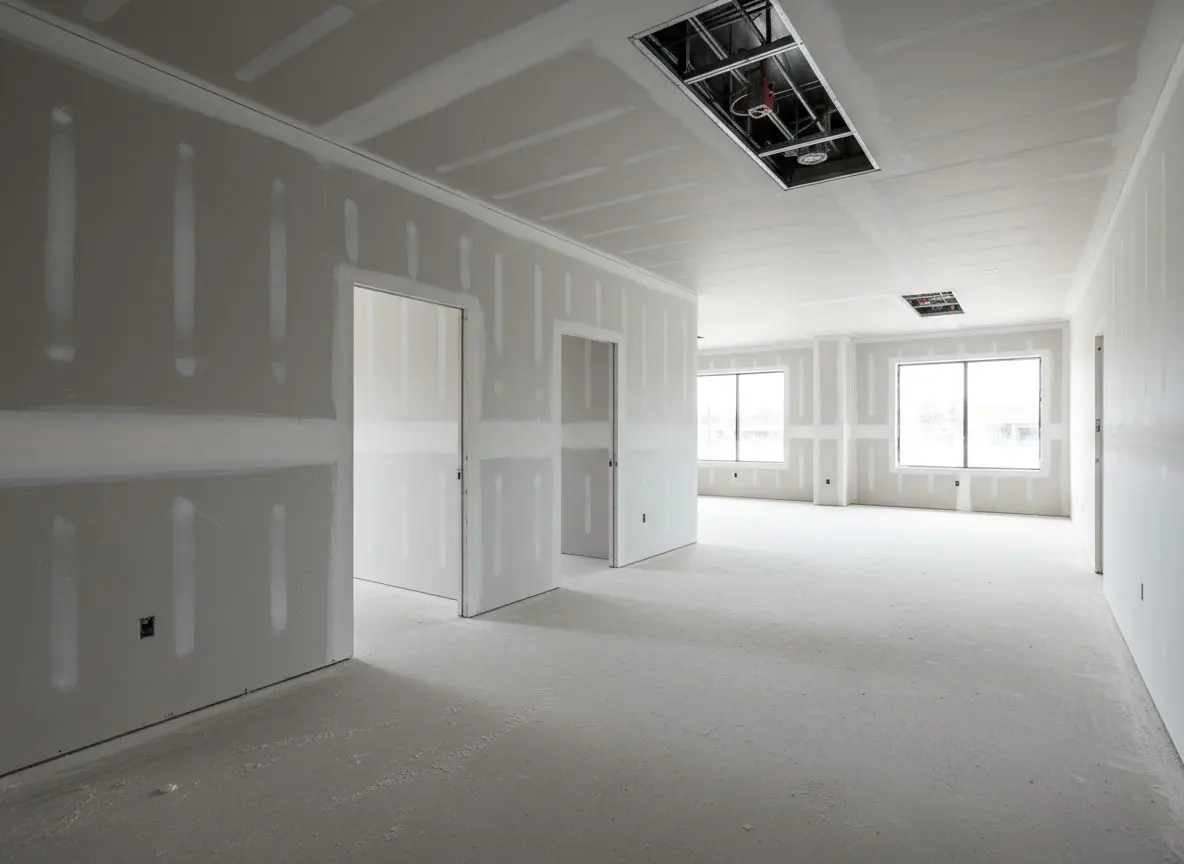
A large commercial interior — an office or retail unit — where the drywall partitions have been hung and taped to a flat finish, the space open and empty
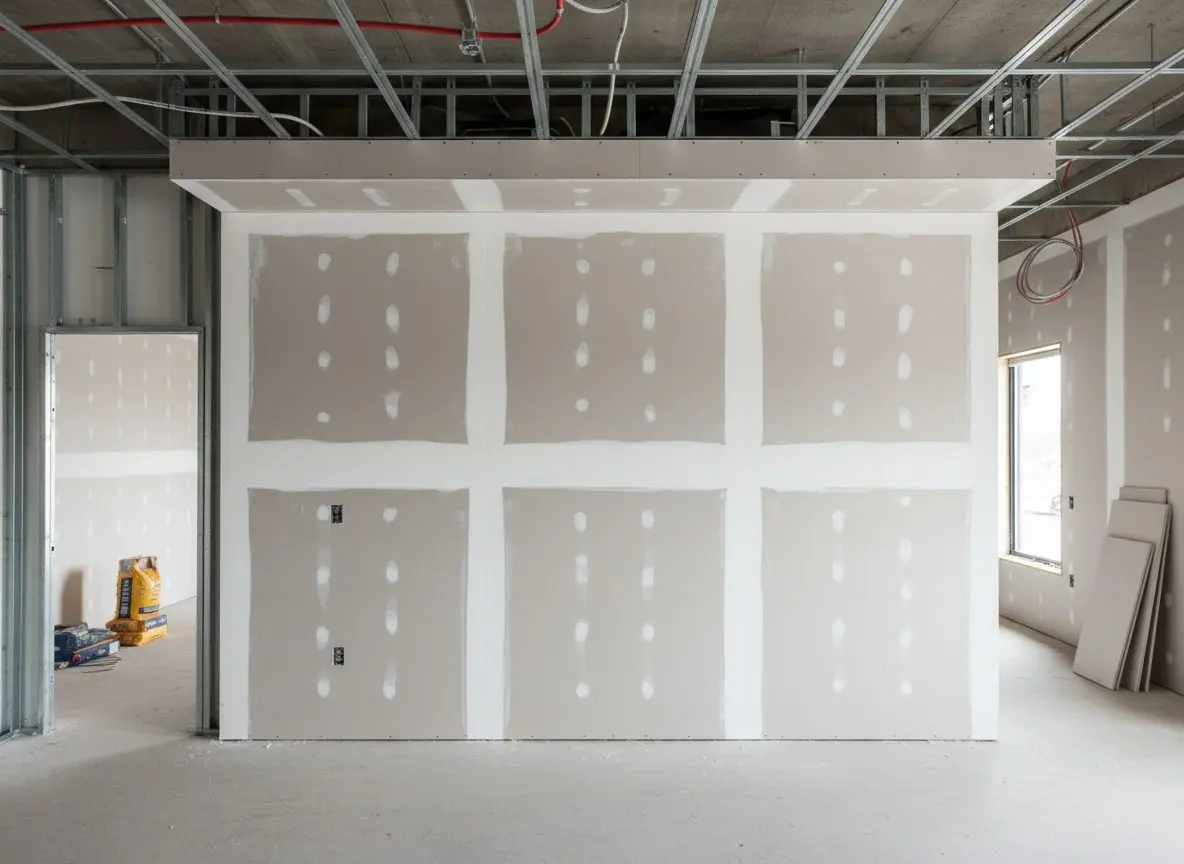
The same commercial space with a rated partition running floor to soffit, the board doubled and the joints staggered

Our commercial drywall services in Spokane

Commercial Residential
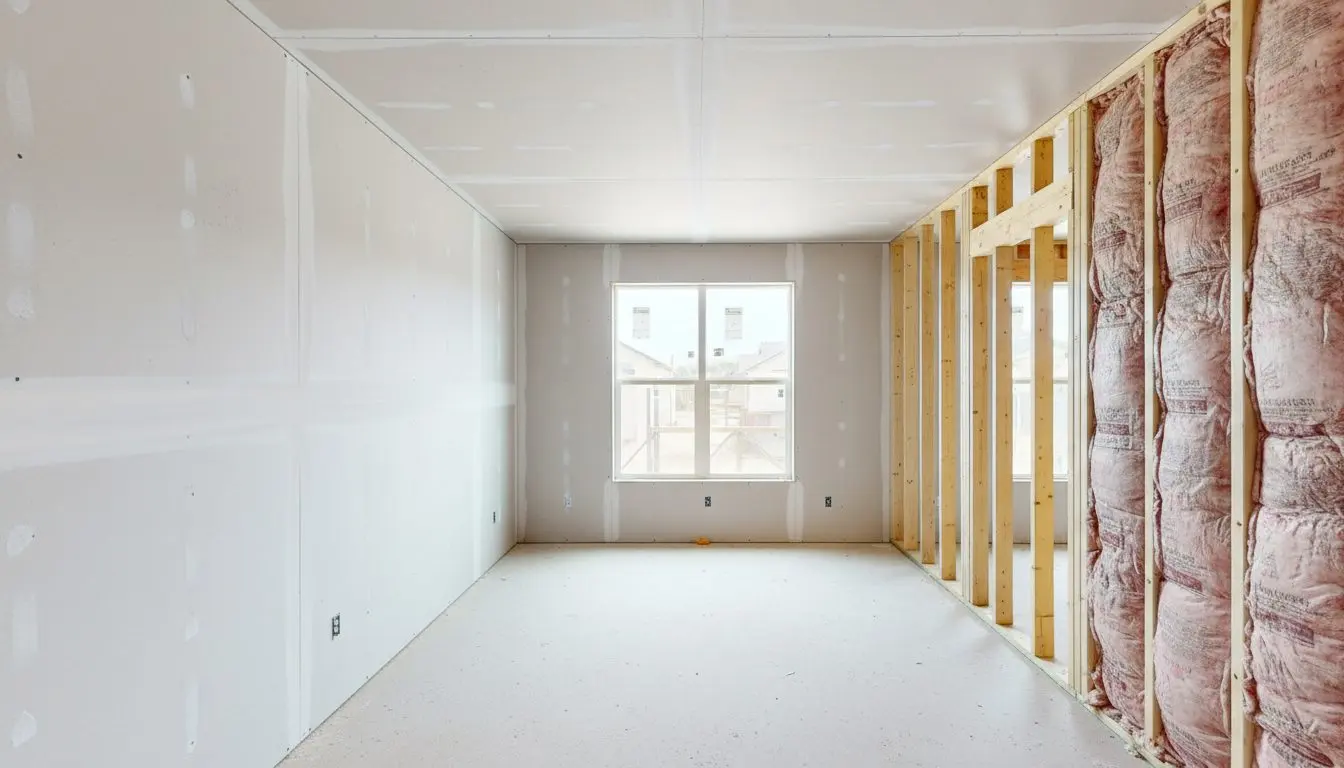
  • Drywall Installation

    For anyone starting with bare studs — new construction, an addition, a basement going from storage to living space. This is the stage nobody sees and everything after it depends on: get the board hung true and the finisher has an easy job, get it wrong and no amount of mud hides it. Builders book us by the phase.

    Learn more about Drywall Installation
  • Drywall Repair

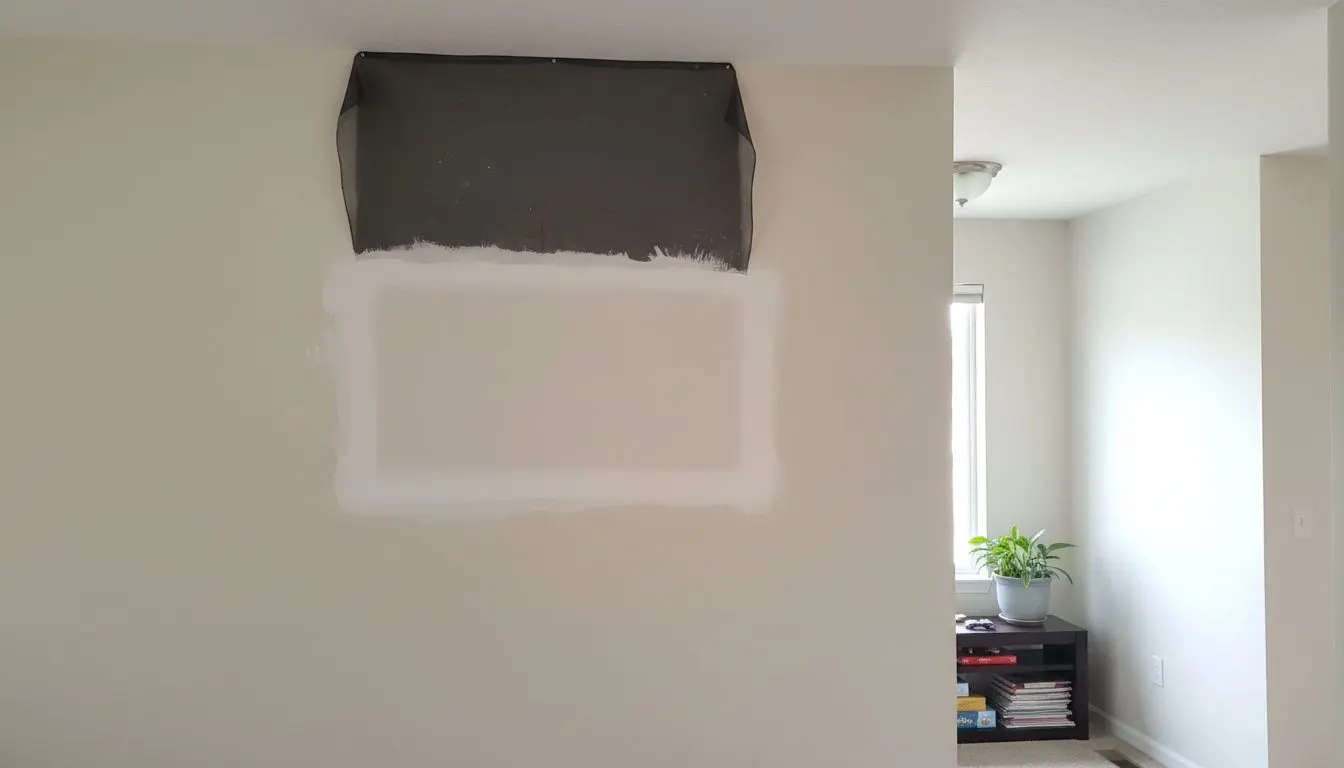
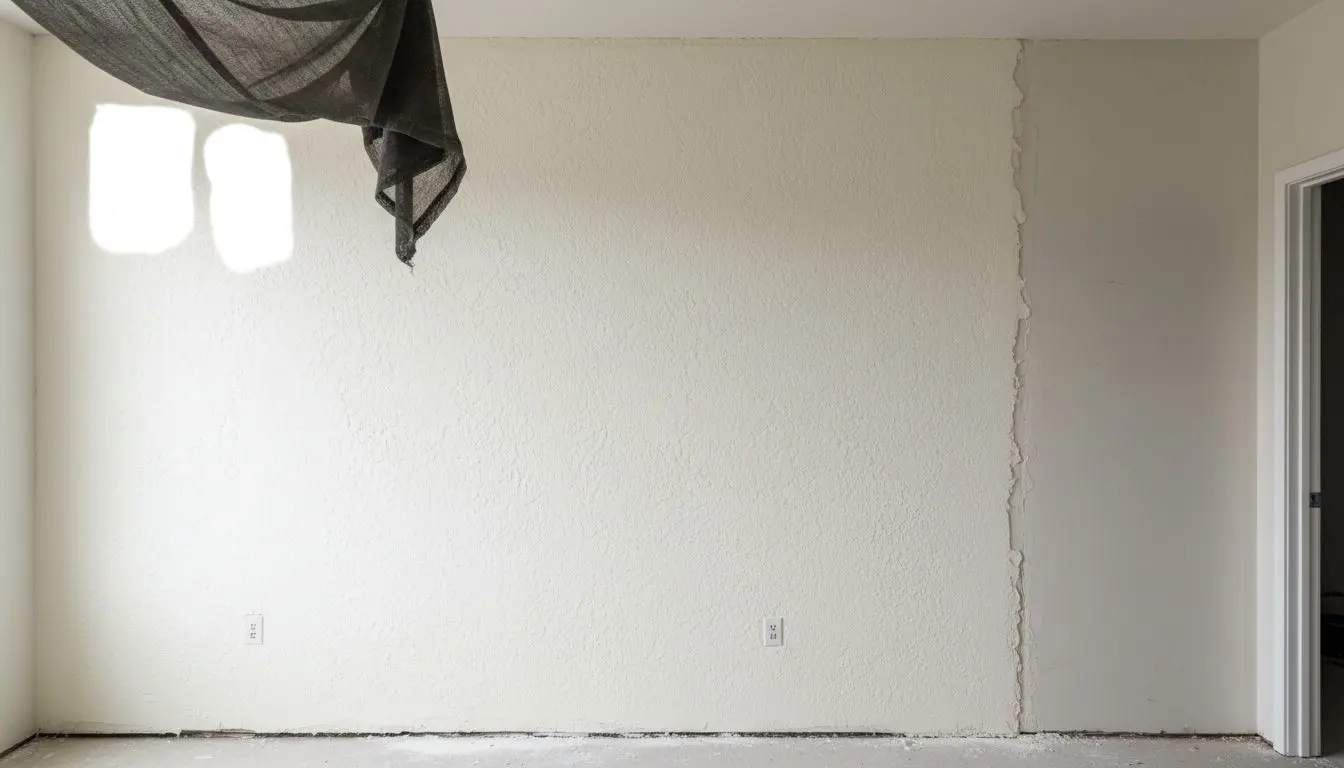
    For the crack above the door that has come back twice, the hole behind a door handle, the ceiling that went soft after a leak upstairs. Most people have put it off because it feels too small to call about. It is not, and a repair that matches the wall around it is a different trade from patching it.

    Learn more about Drywall Repair
  • Texture and Finishing

    For the room where new work has to disappear into old. Matching an existing knockdown or orange peel is the part homeowners underestimate and the part that decides whether a repair reads as a repair. Also for anyone changing texture across a whole house, which is a bigger job than it sounds.

    Learn more about Texture and Finishing
  • Ceilings

    For popcorn that dates the house, sagging that has started to worry you, and new ceilings in additions and basements. Ceilings are the least forgiving surface in the building — everything is lit from the side and there is nowhere for a bad seam to hide — so they are the clearest test of whoever you hire.

    Learn more about Ceilings
  • Water Damage Repair

    For after the leak has been fixed and somebody has to make the room whole again. Insurance work, burst pipes, roof failures. The board has to come out further than the stain goes, the cavity has to be dry before anything closes up, and both of those get skipped by people in a hurry.

    Learn more about Water Damage Repair

From drawings in to a floor signed off

Two days to a site visit, five to a phased price, and each floor handed to the next trade on the schedule date.

  1. Drawings or a walk of the floor

    Inside two days

    Send a scope or a set of drawings and somebody is on site inside two days. That visit is also where access, hours and whether the unit is trading get settled.

  2. Our own take-off

    Within five days

    We measure and count against the drawings rather than pricing what was sent, then tell you where the two disagree before anybody signs. That gap is cheaper found now.

  3. Priced by phase, not by the day

    With the quote

    The quote follows your schedule rather than our convenience: hanging one floor while the framers are on the next, and punch-out priced as its own phase rather than assumed.

  4. Mobilization and certificates

    Before we start

    General liability, workers' compensation and the L&I registration go over before we mobilize rather than when somebody chases them, with your entity named as additional insured where the contract asks.

  5. Board, tape and finish by floor

    Per phase, to the schedule

    A named lead per crew and one contact across the job, who is whoever priced it. Variations are raised in writing the day they are found, with the cost and the schedule effect in the same email.

  6. Punch-out and sign-off

    After the other trades

    Mechanical fixings, delivery damage and the knocks a building takes before turnover, patched as a quoted phase. Floors swept at the end of each one rather than at the end of the job.

Send the drawings and we will be on site inside two days and price it by phase against your schedule.

Get a free quote

What moves a commercial drywall price

A square-foot rate gets you a ballpark and loses you money on a schedule. These are the six things that decide what a floor actually costs to hang.

Finish level in the spec
Level 4 across a warehouse and Level 5 down a glazed corridor are different jobs on the same square footage. Where the spec is silent we price Level 4 and flag what wants Level 5.
Phasing and how often we mobilize
One continuous run is the cheapest way to hang a building. A job split into four returns carries four mobilizations, and that is the same crew driving out four times for one floor.
Access and working hours
Evenings and weekends cost more per hour and usually less overall, because nothing is packed down every afternoon around a tenant still trading. Hoardings and negative air sit on top of that.
Ceiling heights and soffits
Anything above nine feet needs staging up before a sheet moves. Bulkheads, soffits and services dropped below the slab add cutting and bead per square foot that a plain wall never sees.
How much punch-out is in it
Priced as its own phase rather than assumed into the hanging rate. On a building with four trades behind us it is a real number, and pricing it into the hang is how it gets argued about.
What the framing turns out to be
Framing out of plane, or not where the drawings put it, has to be corrected before board touches it. Found on site it is a variation; found at the take-off it is a line on the quote.

Which of these bite on your job is a ten-minute conversation with your schedule in front of us, and it comes back as a phased quote rather than a rate. Get a free quote

Questions people ask before booking the work

Do you work from drawings or take off your own quantities?

Both. Send drawings and we will do our own take-off and price against it, then tell you where the two disagree before anybody signs anything. If the framing on site turns out not to match, that is a variation and we raise it in writing the day we find it rather than at the end.

Can you work outside normal hours?

Yes, and on occupied buildings it is usually the only sensible way. Evenings and weekends cost more per hour and almost always less overall, because nobody is working around a tenant and nothing has to be packed down every afternoon.

How do you phase a job around the other trades?

We take the schedule and quote against it rather than quoting a lump and then arguing about sequence. On a multi-floor buildout that normally means hanging and taping one floor while the framers are on the next, and coming back for punch-out once the mechanical trades are out.

What finish level do you price to?

Whatever the spec says. Where the spec is silent we price Level 4 as standard and flag any wall taking raking light or a gloss finish, because those want Level 5 and it is cheaper to decide that now than to skim it twice.

What are your payment terms?

Staged, against the phases in the quote, invoiced on completion of each. We do not ask for money up front on commercial work and we do not hold the next phase hostage to the last invoice.

Who supervises the crew on a multi-floor job?

A named lead on each crew and one contact across the whole job, and that contact is whoever priced it. On anything over two weeks they are on site at the start of each phase rather than reachable by phone. One point of contact is the difference between a schedule and a rumor when four trades are in a building.

What happens if the framers run late?

We resequence rather than sit and charge you for it, and we tell you the day it becomes obvious rather than the week it becomes a problem. Crews are booked in blocks, so a slip of a few days is usually absorbed and a slip of two weeks will move you behind another job. Either way you get the honest version early.

Can you provide certificates and additional insured?

Yes. General liability, workers' compensation and our L&I registration, sent before we mobilize rather than when somebody chases them, and we will name your entity as additional insured where the contract calls for it. If your prequalification pack needs anything else, send it over and it comes back in two days.

How do you handle variations and change orders?

In writing, on the day we find them, before the work is done. If the framing is not where the drawings put it, or a finish level changes after a walk, you get the cost and the schedule effect in an email that same day. Nothing gets absorbed quietly and nothing shows up as a surprise on a final invoice.

Can you work in an occupied office or retail unit?

Yes, and it is most of what tenant improvement work is. It means hoardings, negative air where the dust has anywhere to go, and usually evenings or weekends. It costs more per hour and normally less overall, because nothing has to be packed down every afternoon around somebody still trading.

Who cleans up between the phases?

We do, at the end of each phase rather than at the end of the job. Scrap, buckets and bagged waste leave with us, and floors are swept before the next trade comes in. A drywall crew that leaves its debris for the following trade to work around is a crew that costs somebody else money.

Do you come back to make good after the other trades?

Yes, and it is quoted as its own phase rather than assumed. Mechanical and electrical fixings, damage from deliveries and the knocks a building takes before turnover all need patching, and pricing that as part of the hanging phase is how it ends up being argued about. It is a line on the quote.

Spokane Drywall Pros

One crew is kept off the schedule all year, for the ceiling that drops on a Tuesday.

Spokane Drywall Pros hangs, tapes, finishes and textures board across Spokane and the towns out to the county line. New construction and additions, repairs after a leak, popcorn ceilings taken down, and whole houses hung to a turnover date. Four crews, a little over two hundred jobs a year, residential and commercial alike.

Why people call us rather than the next name on the list

  • Twelve years hanging drywall in this valley, since 2014
  • The measure is free and the quote names the board and the finish level
  • One crew held back for repairs, so a small job is not queued behind a build
  • Dry air here sets compound early, and the schedule is built around that
  • The room is swept, vacuumed and handed back before the van leaves

If you have a wall that has cracked, a ceiling that has started to sag or a room that needs drywall from scratch, call (509) 357-5705 and somebody will come and look at it. You get a written price off the measurements rather than a number guessed over the phone, and if a patch will do the job we will tell you so.

(509) 357-5705

Give us a call

office@spokanedrywallpros.com

Send us a message

304 W Pacific Ave, Ste 210, Spokane, WA, 99201

Where to find us

Ask for a price

(509) 357-5705 Get a free quote