
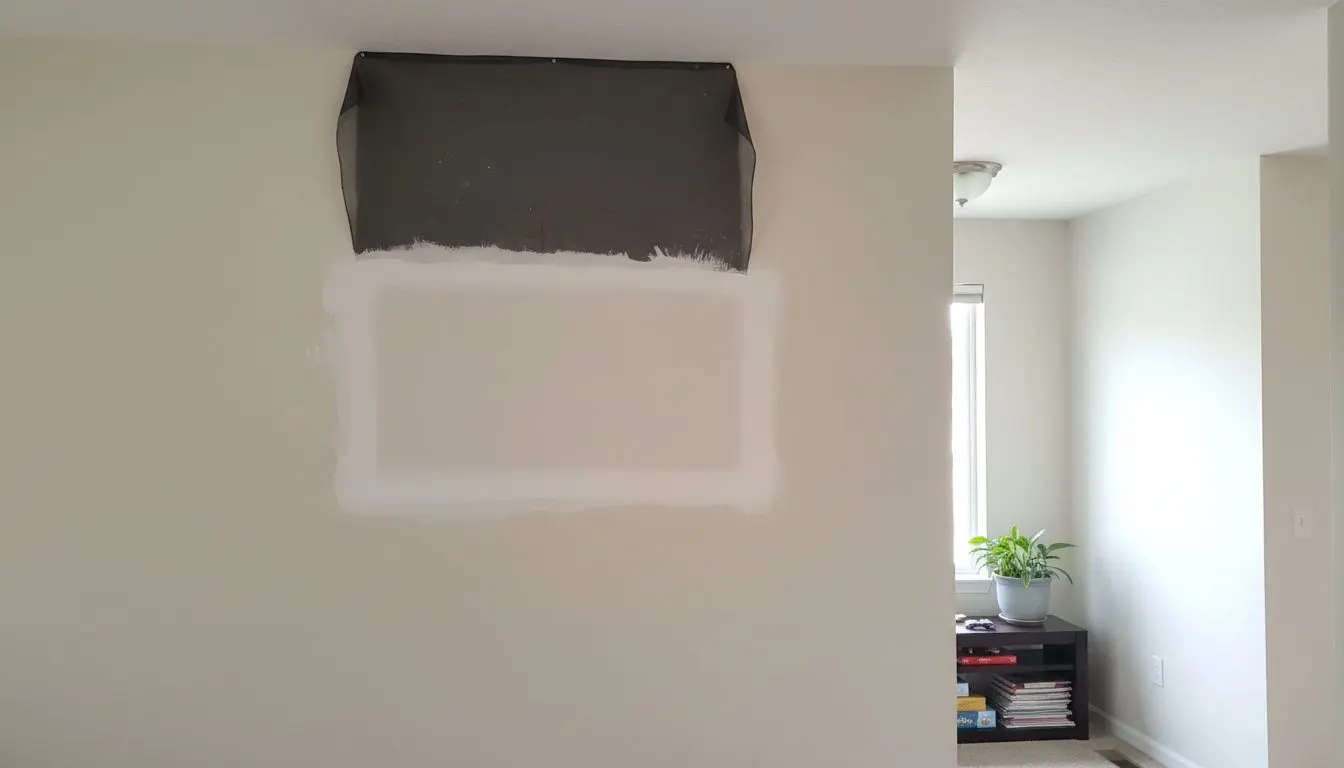
Drywall Repair in Spokane
Drywall Repair in Spokane, WA
Cut back to sound board, refinished and textured to match what is already on the wall, with one crew kept free so most repairs go in the same week.
Why the same crack keeps coming back
You get a wall you cannot find the repair on, and the room back the same week it was opened up.
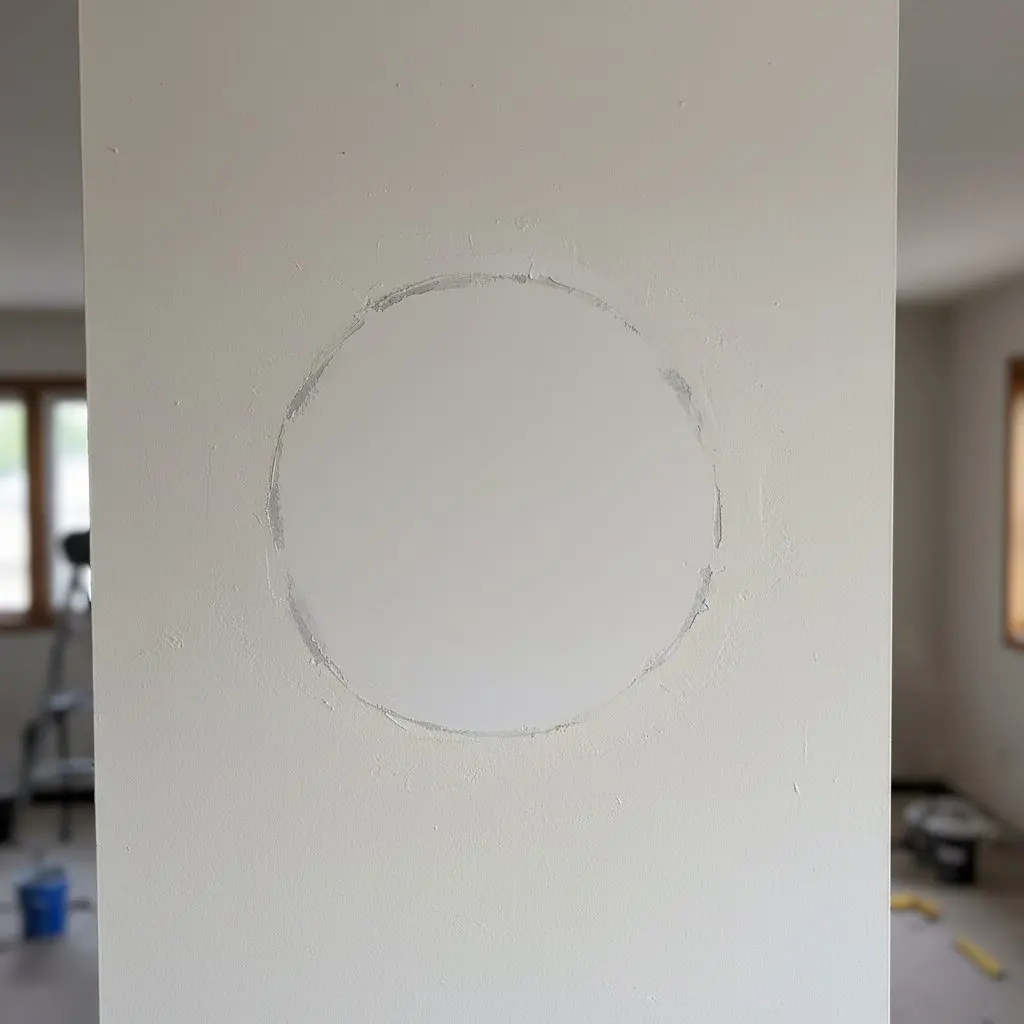
This is board that is already on the wall, meaning cracks, nail pops, holes, sagging ceilings, failed patches and board that has been wet. Rooms still standing as bare studs are drywall installation, one page across.
We keep one crew free for repairs and they run about ninety a year, from a single cracked corner bead in a hallway to a whole ceiling.
Most of it is cracks, then holes, then sagging ceilings, then patches somebody else did that have telegraphed through the paint. The cracks come over doors, along the ceiling line, and wherever the framing has moved. On plaster over lath, most of the pre-war stock here, the answer is a bonded skim rather than tape. Repairs are cut back to board that is dry and still on the framing, because a patch tied into a soft sheet cracks along the join inside a year.
Homeowners who have looked at the same crack for two years and assume it is too small to call anybody about, and landlords turning a unit around who need the wall right before the photographs.
Call for a free quote at (509) 357-5705. You will go from hanging a picture over it and hoping nobody moves it, to a wall you have stopped noticing.
What a repair covers, from one crack to a whole ceiling
Cut back, refixed, refinished and textured, so the repair stops where the wall does.
- Cracks over doors, windows and ceiling lines
- Holes, knocks and door-handle damage
- Sagging ceilings refixed or cut out and rehung
- Nail and screw pops bedded and coated
- Failed patches taken back and done again
- Plaster over lath bonded and skimmed flat
- Texture matched to the rest of the room
Patching or rehanging: which one your wall needs
Most walls people expect to lose do not have to come off.
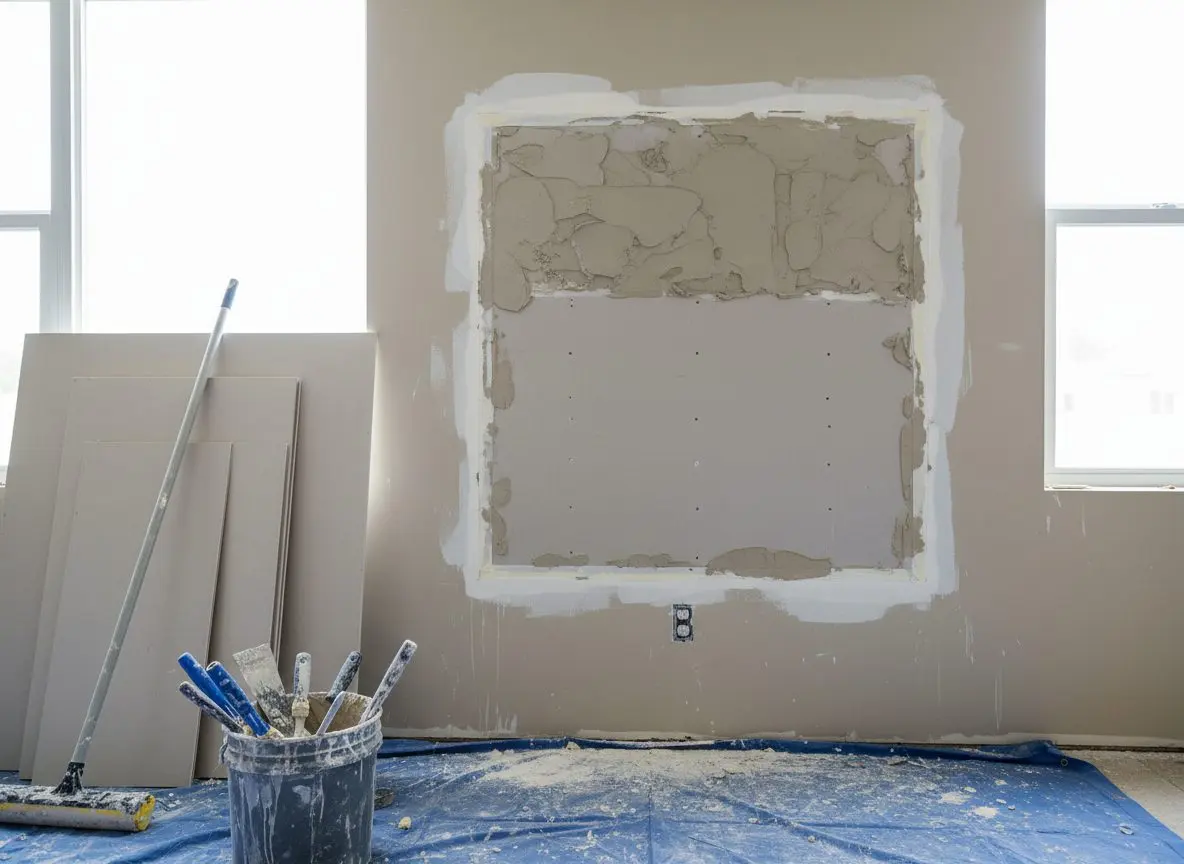
Patching is the answer when the board is dry, still screwed to the framing and sound an inch back from the damage. Cutting to solid material and piecing in gets an invisible repair for a fraction of the work, and the room is back the same week.
Rehanging is the answer when the sheet has been wet long enough to go soft, when there is more patch in the wall than wall, or when the framing has moved. Tying a patch into any of those buys a year, and the crack comes back along the join.
We say which of the two you are looking at on the first visit, including when it is the cheaper one, and we will show you the edge we are testing on your own wall rather than asking you to take it on trust.
What actually goes into a repair that holds
A repair is a specification like any other, and ours is on the quote before we cut.
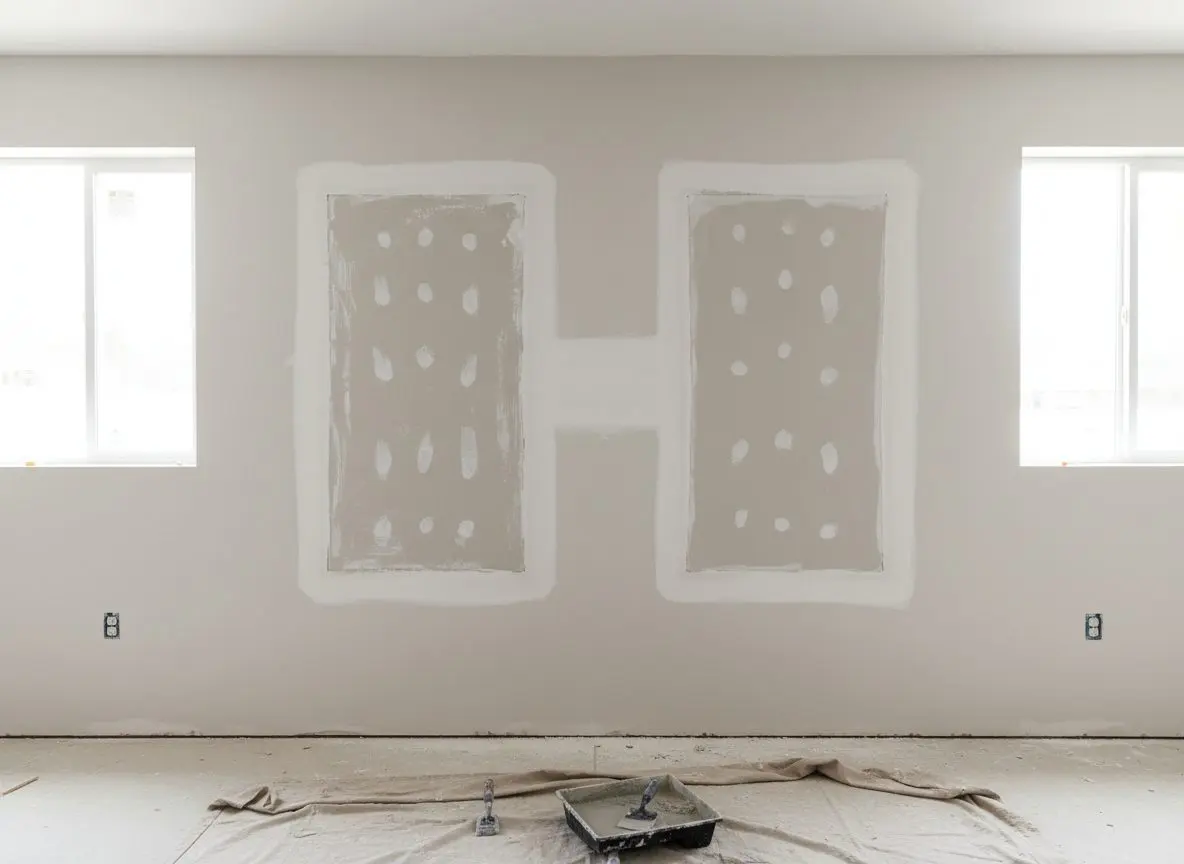
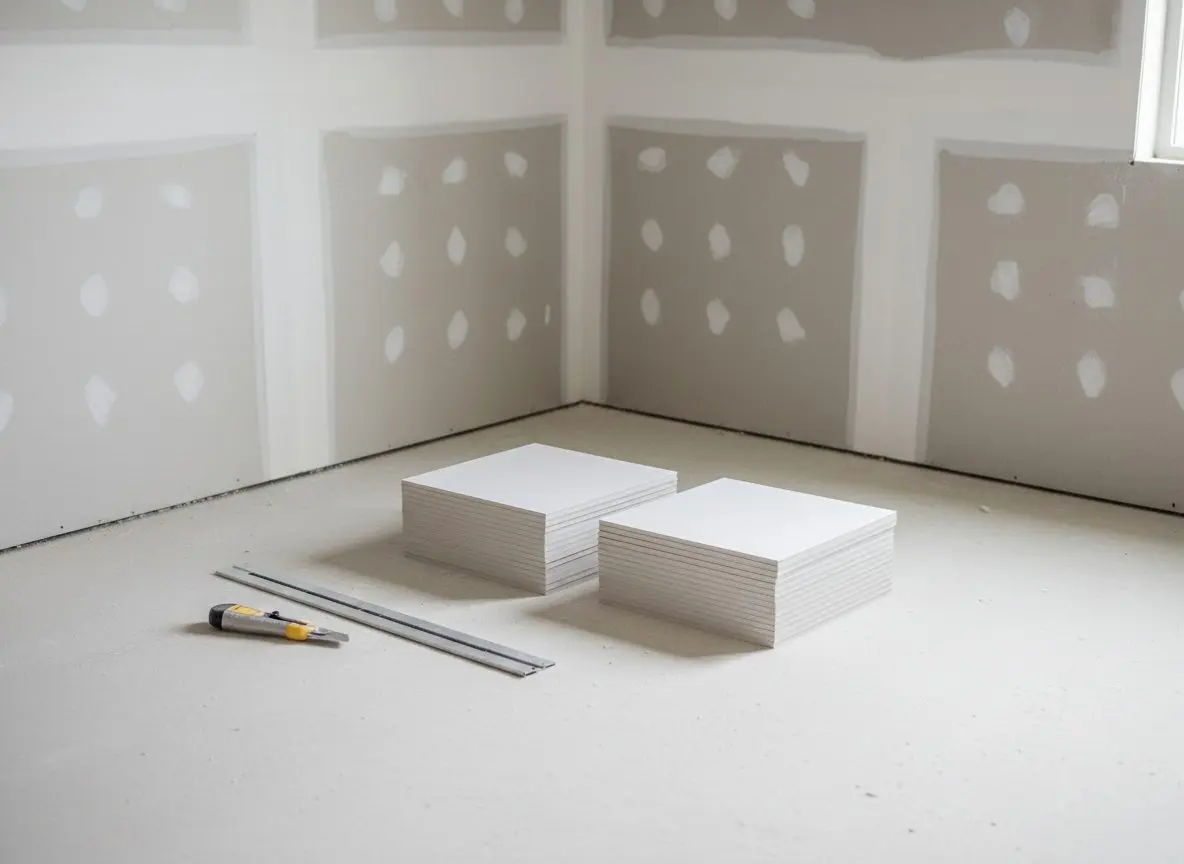
Cuts are squared to the framing rather than cut to the shape of the damage, and every piece is screwed to something solid rather than glued to the back of the board around it. Where a joint lands in open field it takes a backing strip, because a butt joint floating between studs is the crack you will be looking at next winter.
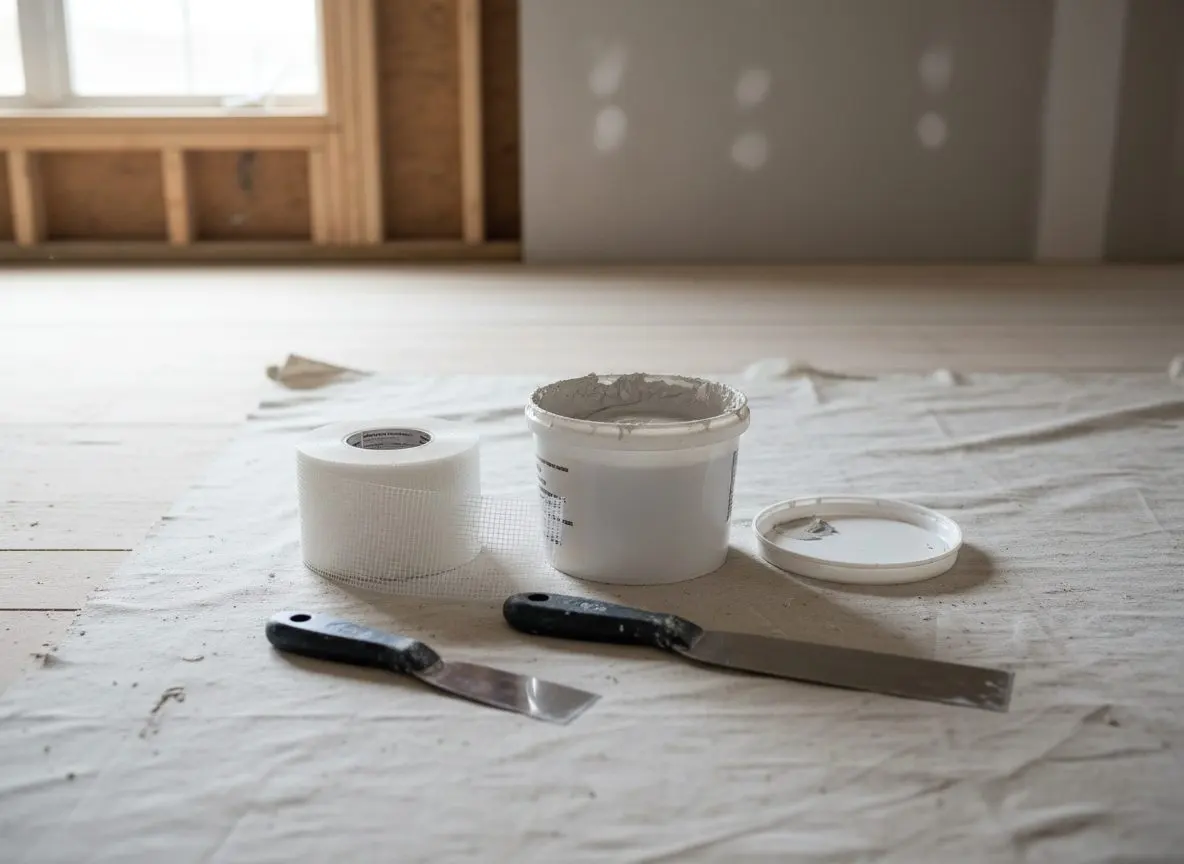
Paper tape is bedded in setting compound and finished in lightweight. On plaster over wood lath the keys are tested first, then bonded and skimmed rather than taped, which is what keeps an original crown molding on the wall instead of in a dumpster. Texture is sprayed from a sample taken off your own wall, not from the truck.
- Cuts squared to framing, not to the damage
- Backing strips behind every open-field joint
- Paper tape bedded in setting compound
- Bonding coat and skim on plaster over lath
- Texture sprayed from a sample off your wall
- Moisture read before anything is closed up
Ask your other two quotes how far back they are cutting and why, then call us and we will come and look at the wall for free.
(509) 357-5705Why one crack costs more than another crack
Repairs are priced by what has to come out and what has to be matched, and neither of those is the size of the hole you are looking at.
- How far back it has to come
- The damage is rarely the extent of it. Board that is soft, unsupported or off the framing has to go too, and the cut edge is found by pressing and reading rather than by measuring the stain.
- What the texture is
- A flat wall is the hardest thing to disappear into, because nothing hides the joint. Knockdown and orange peel forgive more, but only if the pattern can be matched, and old sprays have often weathered off it.
- Ceiling or wall
- Everything overhead is slower. Board is heavier, coats want to fall off rather than stay on, and the light crosses a ceiling at exactly the angle that shows a joint you would never see on a wall.
- Whether it is plaster
- Plaster over wood lath is a different trade to drywall and takes longer. Where the keys are gone there is nothing to fix to, and the choice between bonding it back and taking it off changes the job entirely.
- How many rooms it is in
- One crew, one setup and one set of dust sheets covers several repairs almost as cheaply as one. Repairs found a month apart are two visits, two setups and two lots of drying time.
- Access and what is in the room
- A hallway is straightforward. A stairwell, a vaulted ceiling or a room that cannot be emptied means staging, masking and working around furniture, and all three are time rather than material.
Which of these apply is settled in about ten minutes standing in the room, and it comes back to you as a written price rather than a range. Get a free quote
From your call to a swept floor, in six steps
Three to six days on site, and most of the noise is over in the first two.
Call for a free look at the wall and we will tell you whether it is a patch or a sheet before you commit to anything.
Get a free quoteWhat an invisible repair is worth later
A bad patch does not read as a bad patch. It reads as a leak nobody dealt with.
There is no published resale figure for drywall repair, and anybody quoting one invented it. What is real is that wall and ceiling condition is on nearly every inspection report in Spokane. A buyer standing in front of a stained ceiling or a patch that telegraphs through the paint is not pricing drywall. They are pricing a roof, or a supply line, or whatever else they think the mark means.
That is the half no report covers and the half you decide. A repair cut back properly and textured to match the wall it sits in is invisible, and invisible is the whole point: nothing for an inspector to note, nothing for a buyer to stare at, and no negotiation about a stain dealt with years ago.
Why walls crack here, and what that changes
Most pre-war walls here are plaster on lath, dry air opens joints that were sound, and February ceilings are ice dam ceilings. Three things that decide how a repair is done.
- Most pre-war walls here are not drywall
- Browne's Addition, the lower South Hill and much of Perry went up before 1940, and what looks like drywall is plaster on wood lath. It takes a different fixing and repair, and where the keys have let go there is nothing behind it to screw a patch to.
- Dry air opens joints that were fine
- Semi-arid summers and dry winter heating pull moisture out of framing and compound, and the hairline over a door in February is that. It is why a repair is bedded in setting compound rather than filled, and timed to the room rather than the bag.
- February ceilings are ice dam ceilings
- A cold roof, a warm attic and a freeze-thaw week put water through more ceilings here than plumbing does. The stain is almost never the extent of it, so the board is read for moisture and cut back to dry material before anything is closed up.
Walls and ceilings we have finished around Spokane
Repairs we have made disappear, with the town each one went into. Every one was cut back, refinished and textured by our own crews.
-
Crack over a door, third attempt
Garland
Filled twice by somebody else and back within a year. Cut out, backed, bedded in setting compound and it has held through two winters.
-
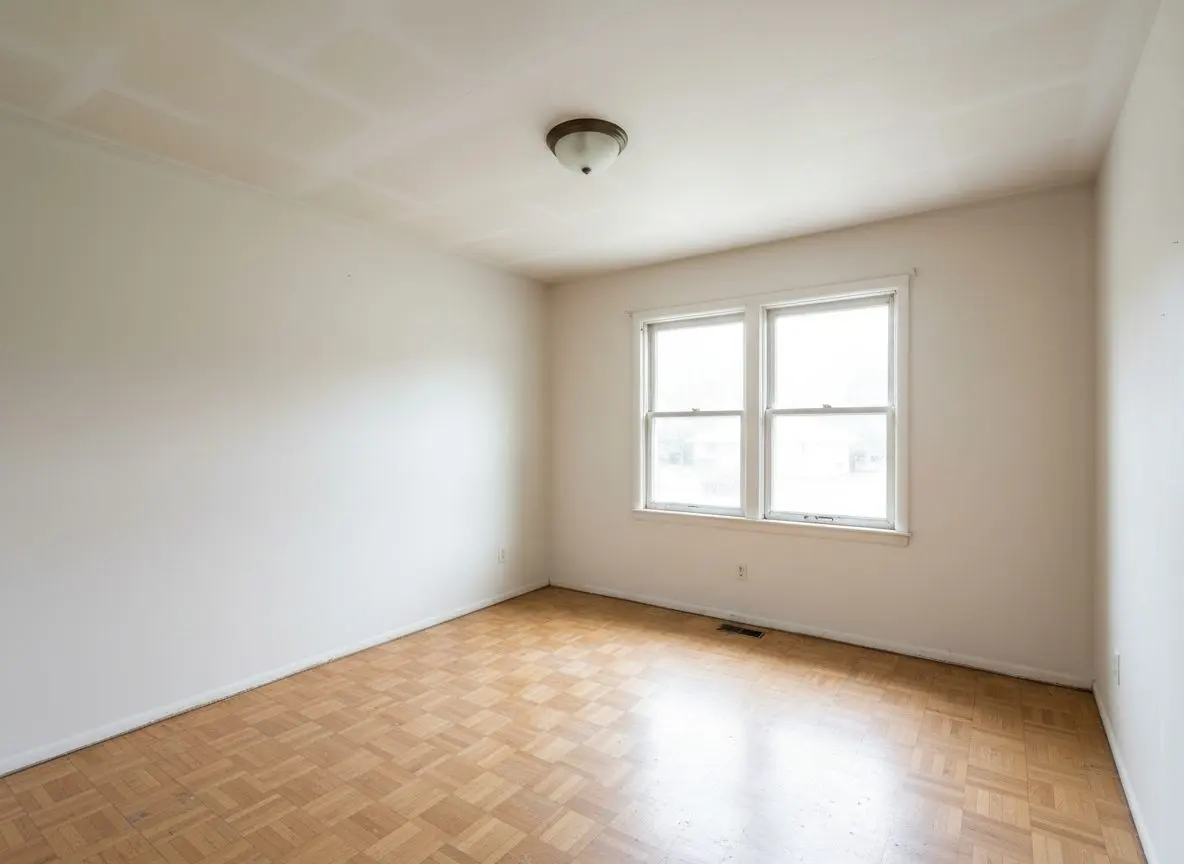
Sagging bedroom ceiling refixed
Shadle
Board pulling off the joists over a whole room. Refixed to the framing, joints backed and rebedded, then skimmed rather than rehung.
-
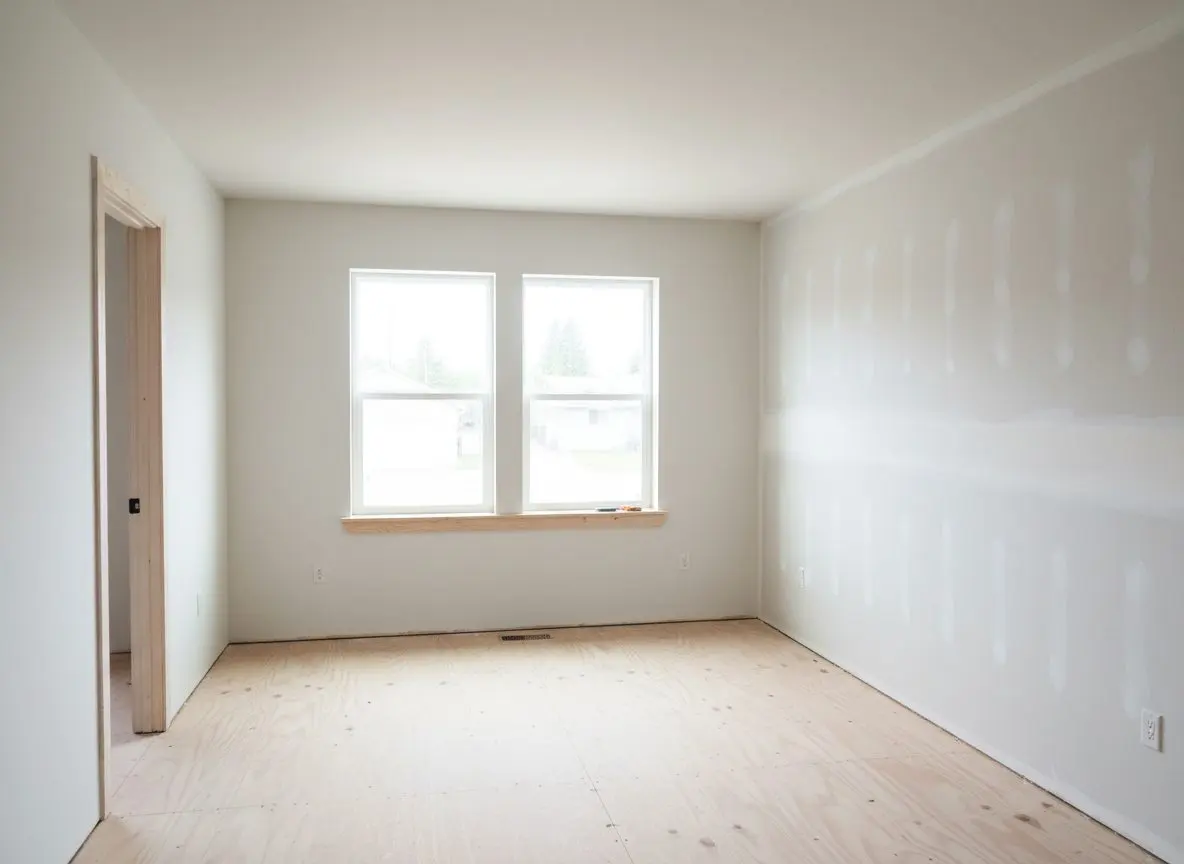
Knockdown match across one wall
Spokane Valley
Repair carried to the corner rather than stopped at the patch, and the texture sprayed from a sample so the painter had a clean edge to cut in to.
-
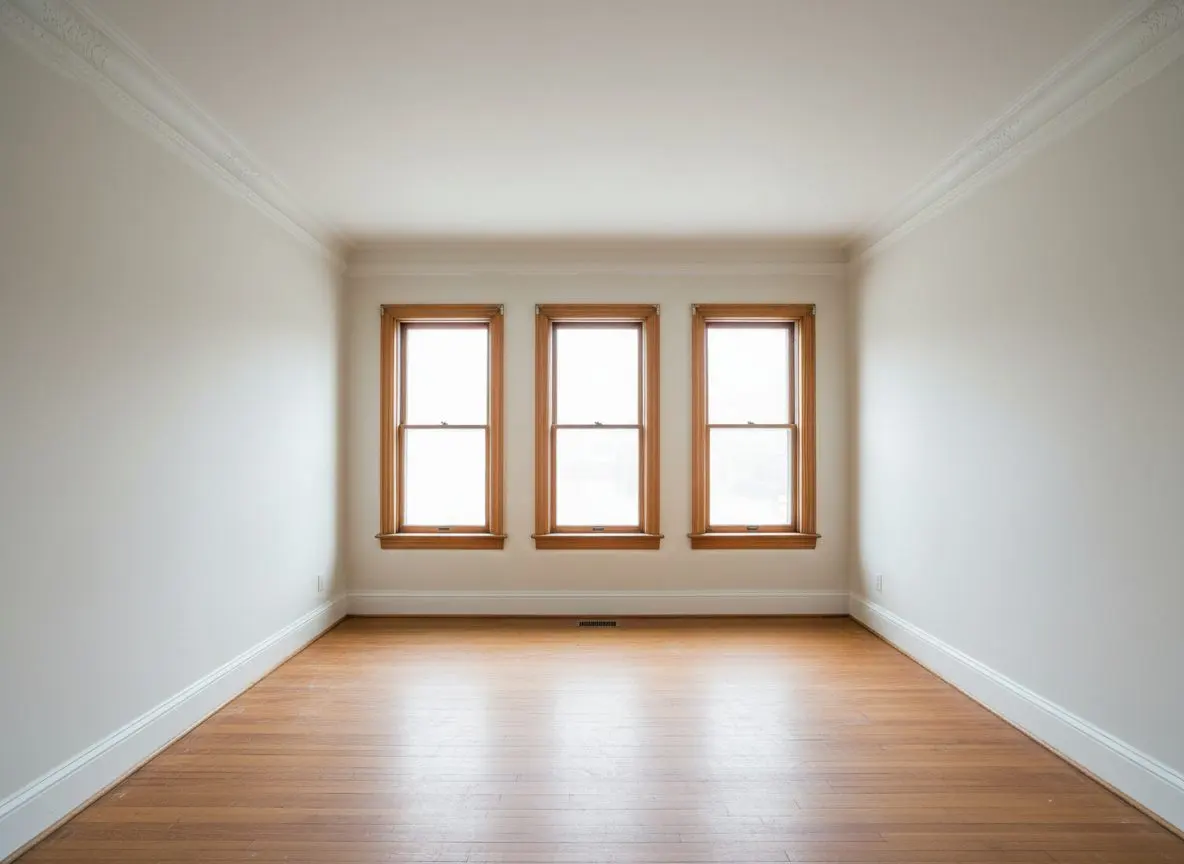
Plaster keys bonded, not stripped
Browne's Addition
Lath still sound behind most of it, so the loose sections were bonded back and the wall skimmed flat, which kept the original crown molding in place.
-
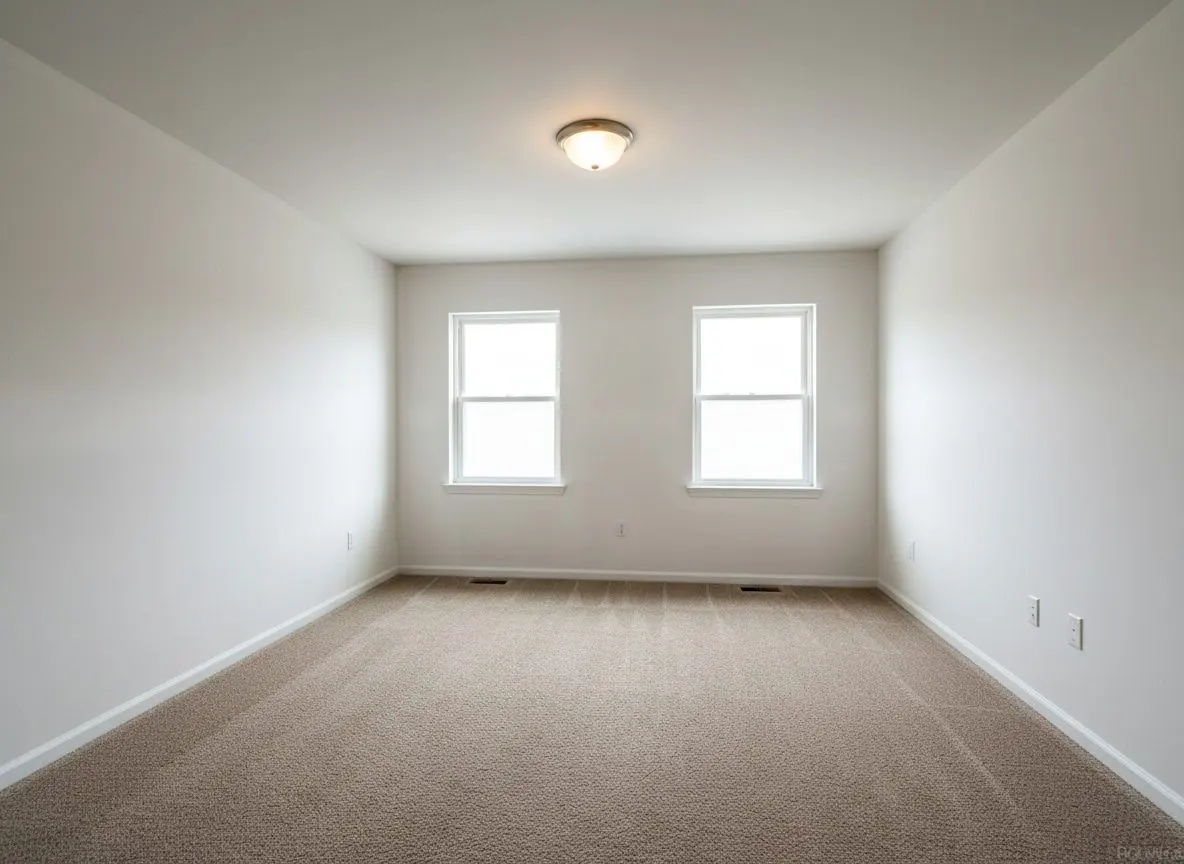
Rental turned around in a week
Hillyard
Eleven separate knocks, holes and pops in one unit, done in a single visit with one setup, and finished ready for the painter on the Friday.
-
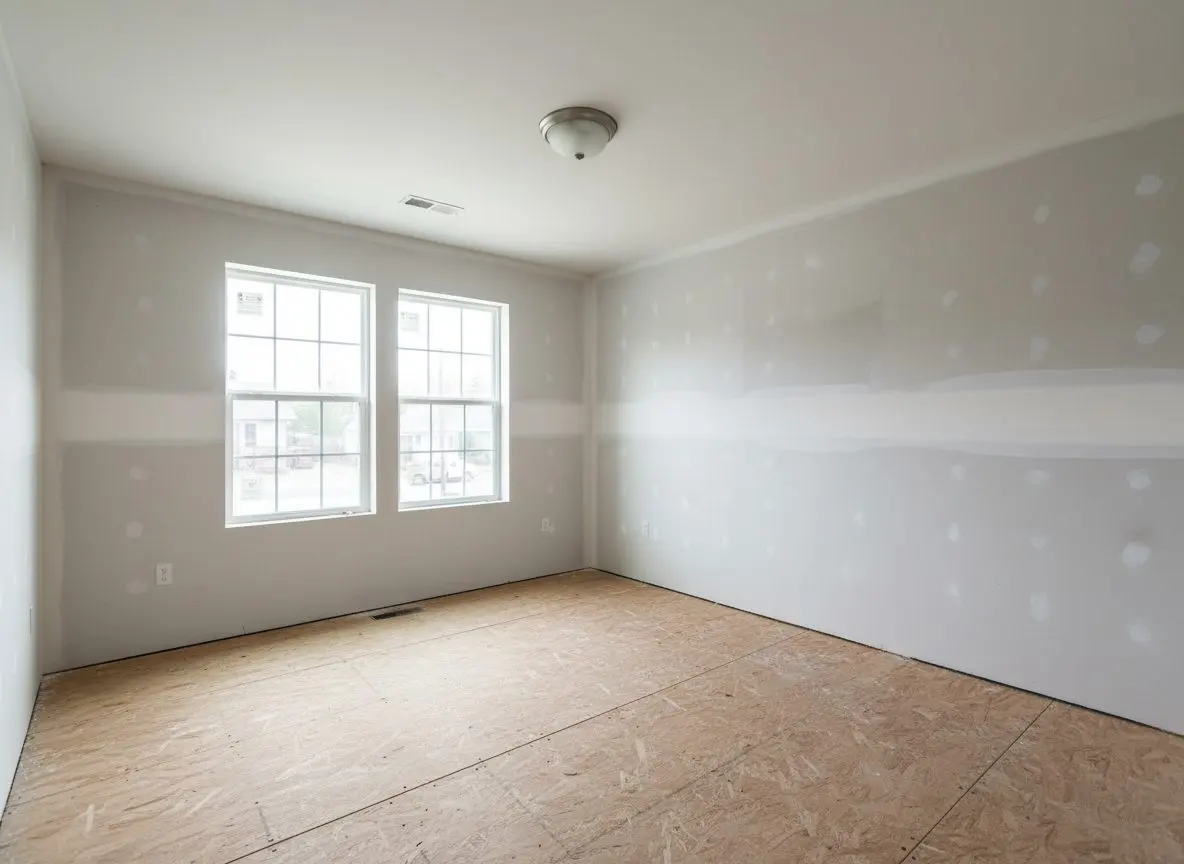
Failed patch taken back out
North Side
A previous repair glued to the back of the board with no backing strip. Taken out to the studs either side, backed properly and refinished.
What people said once the wall was back
-
Rated 5 out of 5
Filled twice by other people before them. First winter it has not come back, and they explained why the others did.
Janet W. Garland Drywall Repair -
Rated 5 out of 5
Eleven holes in a rental and I expected to lose two weeks. One crew, one day, and the painter was in on the Friday. They charged me for the one visit rather than pricing each hole like the last lot did.
Aaron P. Hillyard Drywall Repair -
Rated 5 out of 5
They carried the texture to the corner instead of stopping at the patch, and explained why before doing it. Cost a bit more. You genuinely cannot see where it was.
Michelle O. Spokane Valley Drywall Repair
Every one of these started with a look at the room and a price. Yours can start the same way.
Get a free quoteFAQs
Frequently asked questions
Questions people ask before booking a repair
Do you repair plaster, or only drywall?
Both, and around here you have to. A lot of the older stock is plaster on wood lath, and it takes a different fixing and a skim rather than tape. We will tell you at the visit which one you have. The give underfoot on a wall tells you before anything comes off it.
Can you repair a wall that still has wallpaper on it?
Yes, though the honest answer is that the repair will show at the paper edge whatever we do. Paper cannot be matched across a join the way a texture can. Where the wallpaper is coming off anyway it is usually cheaper to strip the wall, repair it and skim the whole thing than to fight the seam.
How soon can you usually start?
A repair is normally the same week. A whole house is two to three weeks out, and longer through the summer building season. We give you a real date at the visit rather than a hopeful one, and if it slips because of another trade you hear it from us first.
Is a job too small for you to come out for?
No, and small jobs are most of what we do through the winter. One hole behind a door handle is a couple of hours including the texture. If you have a list of them, save them up and we will do them all in one visit, because the setup and the travel take longer than the patching does.
Do you fix holes left by a TV mount or floating shelves?
Often on the same visit as something else, because a handful of anchor holes is an hour rather than a day. What matters is what was behind them: a lag bolt into a stud leaves a clean hole, and a toggle through hollow board takes a piece of the sheet with it and needs backing before it is filled.
How many visits does one patch actually take?
Two or three, spread over three or four days, because a coat has to dry before the next one goes on. Spokane air is dry enough that a coat is often ready the same afternoon, which sometimes takes a visit out of it. The disruptive part is the last half hour, when it is sanded.
Do you paint the repair afterwards as well?
No, we finish and texture it and stop there. Painting a patch properly means cutting in to a corner or rolling the whole wall, which is a decorator's job and a decorator's price. We leave the surface ready for them and will tell you which walls need to be painted in full rather than touched in.
Can you repair drywall in a manufactured home?
Yes, and it is a different job to a stick-built house. The board is usually thinner, it is often finished with battens rather than tape, and the walls flex more than a repair expects. We patch to the panel rather than across it, which is what keeps the join from opening the next time the home moves.
Do we have to empty the room before you come?
No. Move what is small and breakable and we will sheet the rest. What we need is about six feet of clear floor in front of the repair, and somewhere to set a bucket and a board down. Doorways are taped off before sanding starts, because dust travels further through a house than people expect.
Do we have to be home the whole time?
For the first visit, yes, so we can agree what is being repaired and how far it is being cut back. After that no, and most people leave us a key or a code. We tell you which day the sanding falls on, and we agree where to park before the first visit rather than blocking a neighbor on a narrow street.
Can you make it so the repair does not show at all?
On a wall repainted corner to corner, yes. On a spot repaint, no, and anybody promising otherwise is selling you something. New paint over a patch sits at a different sheen to paint that has been on the wall for years, and in raking light the outline of the touch-up shows even where the repair is flat.
Do you handle ceilings that stained after an ice dam?
Yes, and February and March are mostly that. The drywall is the last step, though. Until the roof and the attic ventilation are dealt with by the trades that own them, the same ceiling stains again next winter, and we would rather say so at the visit than patch it twice. We cut back to dry board.
Spokane Drywall Pros
One crew is kept off the schedule all year, for the ceiling that drops on a Tuesday.
Spokane Drywall Pros hangs, tapes, finishes and textures board across Spokane and the towns out to the county line. New construction and additions, repairs after a leak, popcorn ceilings taken down, and whole houses hung to a turnover date. Four crews and a little over two hundred jobs a year.
Why people call us rather than the next name on the list
- Twelve years hanging drywall in this valley
- The measure is free and the quote names the board and the finish level
- References from recent jobs in your part of town, yours to call
- Dry air here sets compound early, and the schedule is built around that
- The room is swept, vacuumed and handed back before the van leaves
If you have a wall that has cracked, a ceiling that has started to sag or a room that needs drywall from scratch, call (509) 357-5705 and somebody will come and look at it. You get a price taken off the rooms themselves rather than guessed over the phone, and if a patch will do the job we will tell you so.
Give us a call
Send us a message
304 W Pacific Ave, Ste 210, Spokane, WA, 99201
Where to find us