
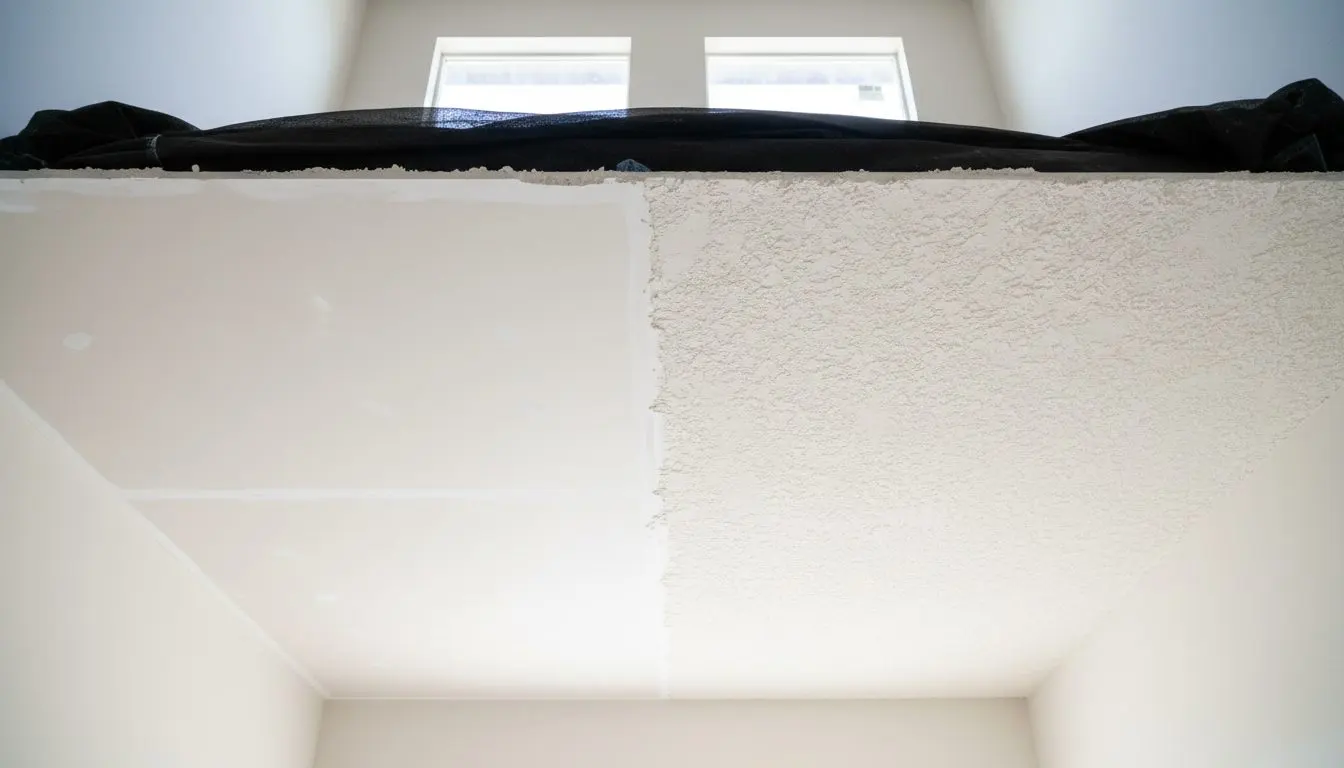
Ceilings in Spokane
Ceiling Work in Spokane, WA
Hung in five-eighths, refixed where it has started to drop, and finished for the light that crosses a ceiling rather than falls down a wall.
Why ceilings show every mistake a wall would hide
You get a ceiling that stays flat under a raking light, with nothing showing at the joints from anywhere in the room.
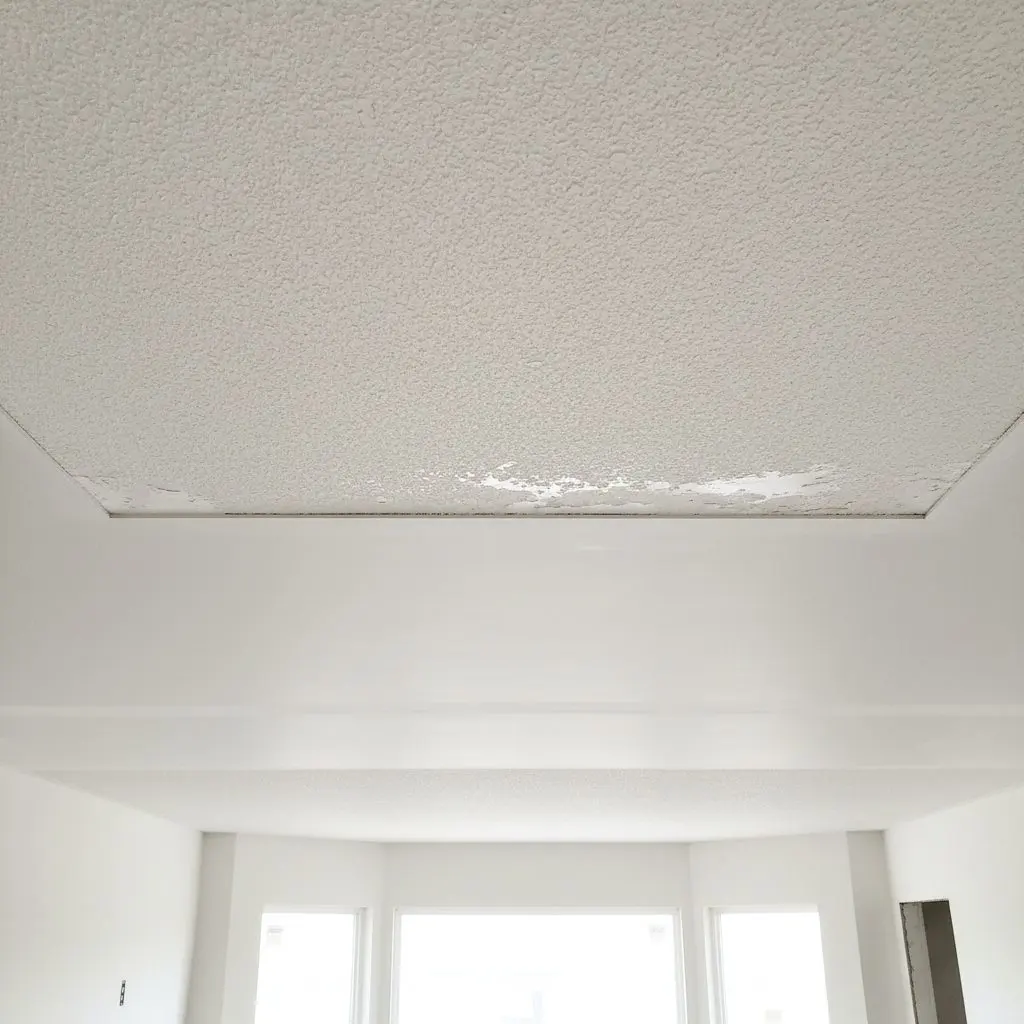
This is everything overhead, including popcorn removal, sagging and cracked ceilings, board that has been wet from above, and new ceilings in additions and basements. Walls, however bad, are drywall repair or installation, a page across.
Ceilings are about a third of our repair work, and we take popcorn off around twenty a year, nearly all of it in houses built between 1955 and 1985.
Most of it is popcorn removal, then sagging, then damage from a leak above, then new ceilings in additions and finished basements. Sagging is board coming away from the joists in a room that has been heated hard. Every ceiling goes up in five-eighths board with screws at twelve inches, because half-inch on joists at twenty-four inches sags between them once it has taken up any moisture, and nothing done afterwards corrects it.
Homeowners staring at a popcorn ceiling that dates the whole room, and people who have noticed a dip or a long crack overhead and cannot tell whether it is cosmetic or structural.
Call for a free ceiling check at (509) 357-5705. You will go from leaving the overhead light off because of what it shows, to turning it on without thinking.
What ceiling work covers, from popcorn to a new lid
Everything overhead, taken off, refixed, replaced or hung new, and finished for the light it lives under.
- Popcorn scraped, skimmed and refinished
- Sagging ceilings refixed to the joists
- Water-damaged board cut back and replaced
- New ceilings in additions and basements
- Five-eighths and Type X where rated
- Soffits, bulkheads and dropped sections
- Cracks along ceiling lines bedded and coated
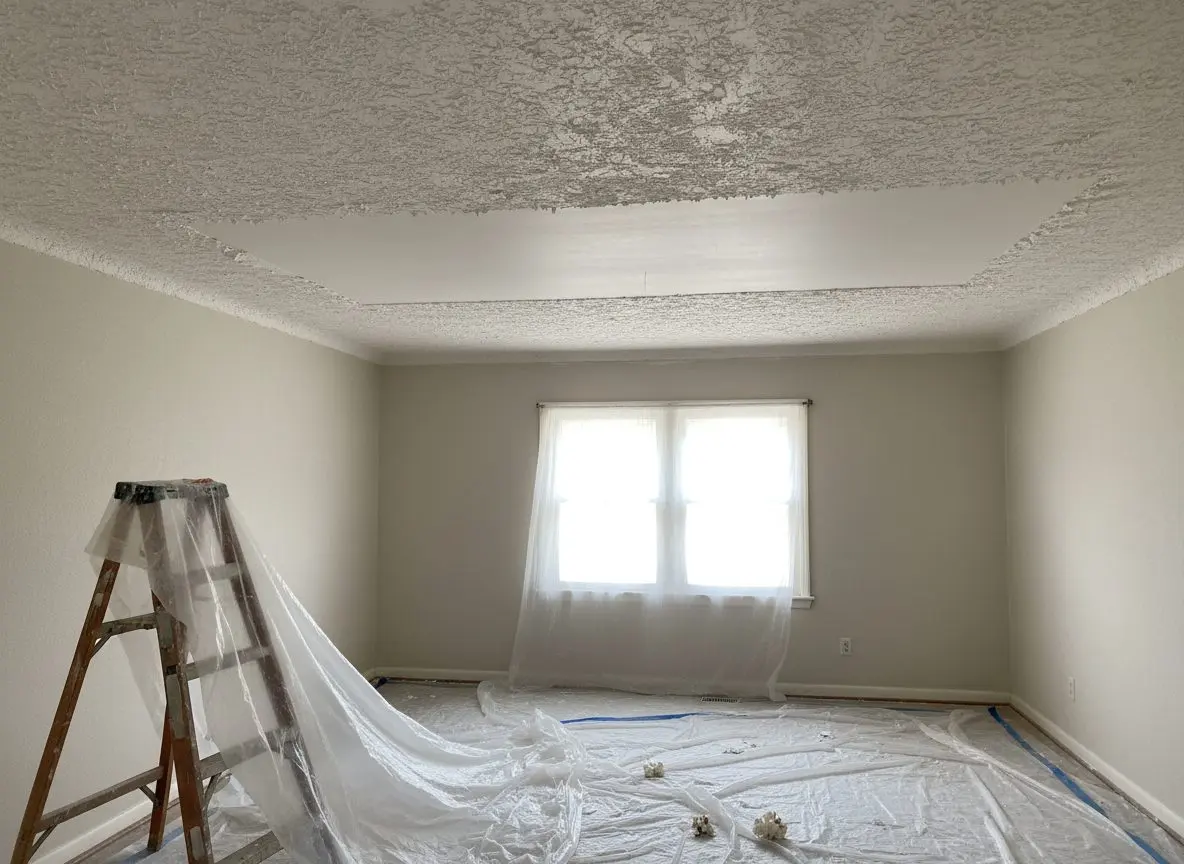
Scraping or rehanging: which one your ceiling needs
Most ceilings people expect to lose can be scraped and skimmed instead.
Scraping is the answer when the popcorn has never been painted and the board behind it is dry, flat and still screwed to the joists. It wets off in sheets, the surface is skimmed and sanded, and the room comes back in days.
Rehanging is the answer when the texture has been painted over, when the board is half-inch on joists at twenty-four inches and has started to belly, or when anything above it has leaked. Skimming a sagging ceiling buys a season.
We tell you which of the two you are looking at on the first visit, and we push a joint in front of you so you can see the movement for yourself, including on the days it turns out to be the cheaper answer.
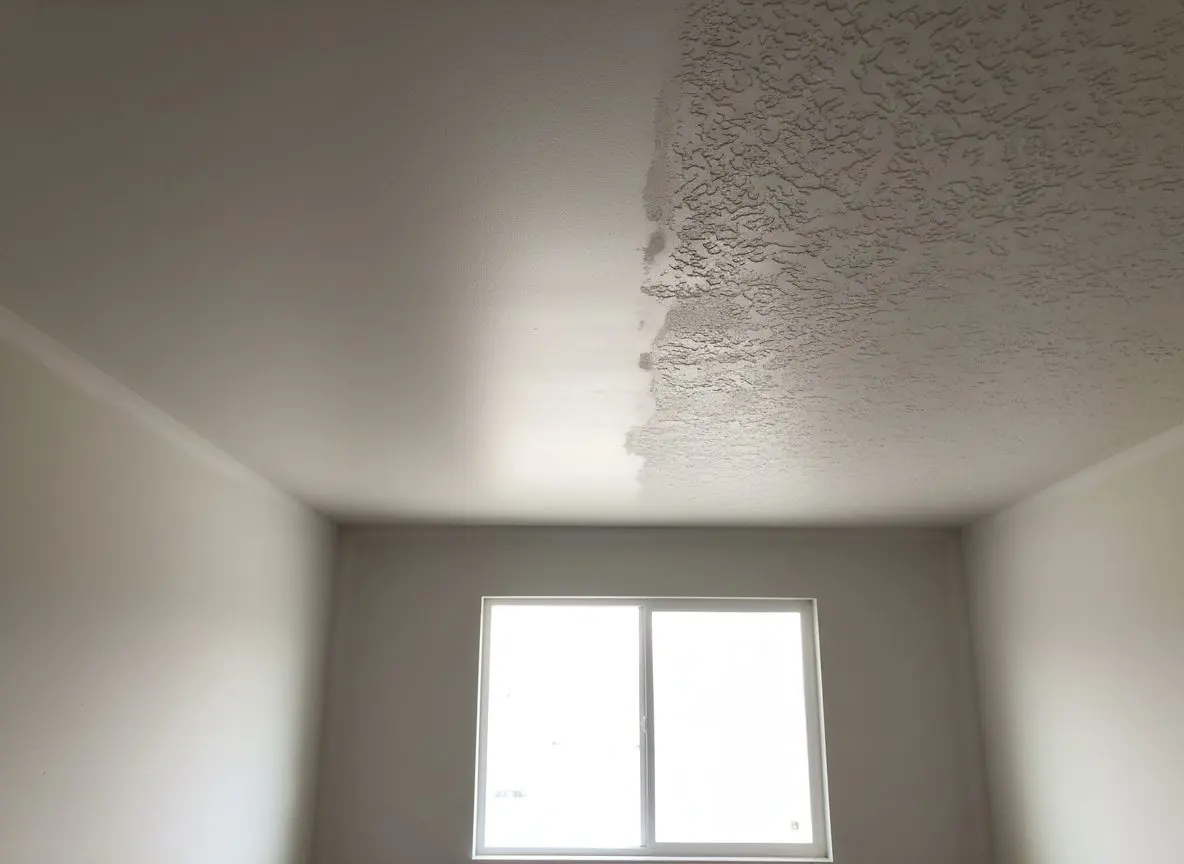
What goes into a ceiling that stays flat
Everything overhead is specified for weight and for light, not just for cover.
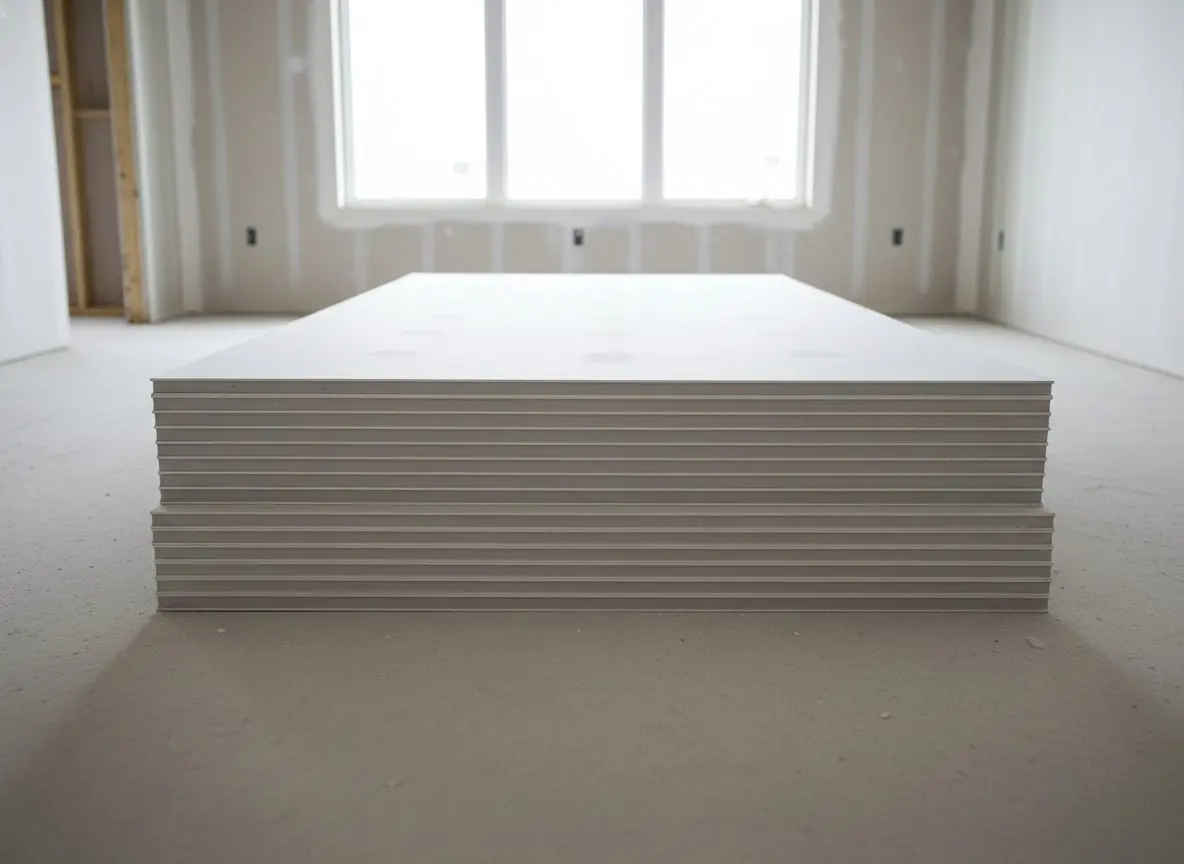
New ceilings go up in five-eighths board with screws at twelve inches, and Type X wherever a rated assembly is called for, such as a garage ceiling under living space or the underside of a suite. Half-inch overhead is what produces the shallow belly between joists that people mistake for a structural problem ten years later, and it is the single most common thing we are called out to.
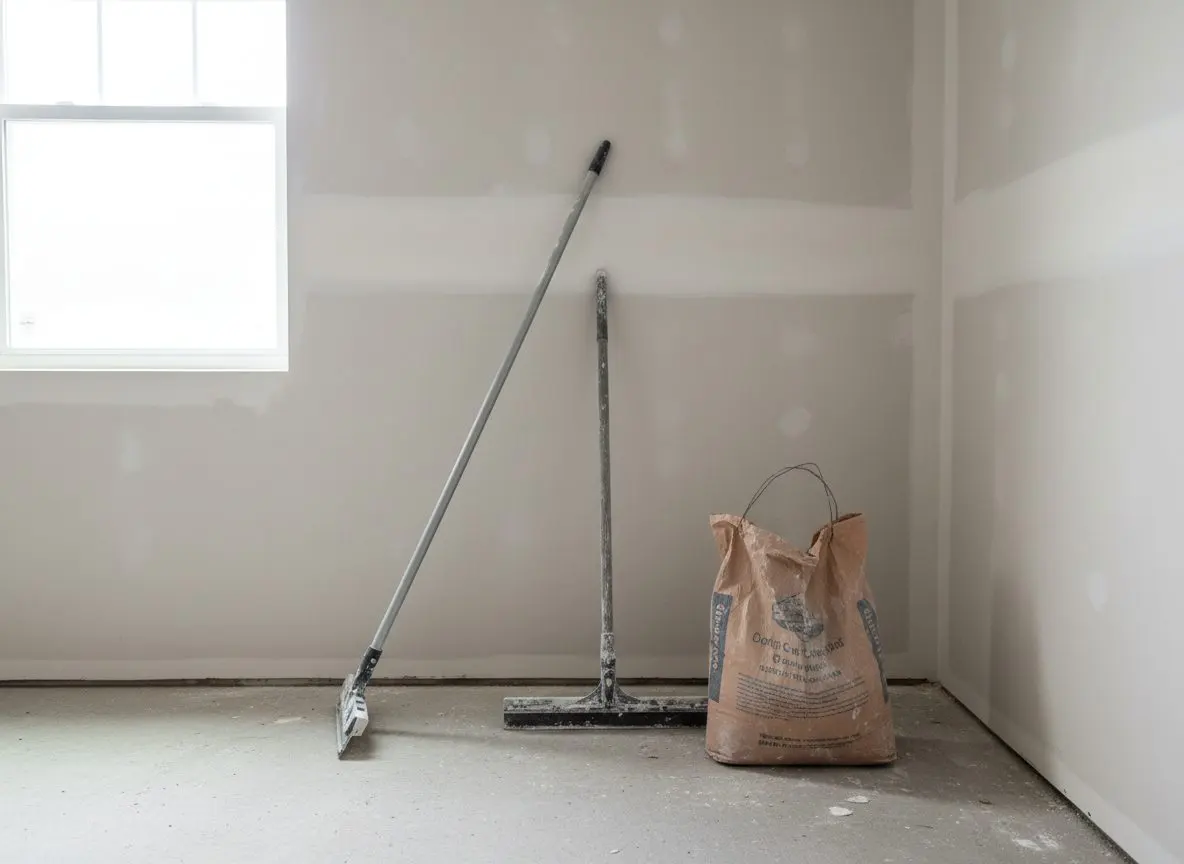
Joints are backed rather than floated where they land between joists, bedded in setting compound and finished in lightweight. Popcorn is tested before it is disturbed on anything built before 1980, and scraped wet rather than dry so it comes off in sheets and stays out of the air.
- 5/8" board to every new ceiling
- Screws at 12" centers overhead
- Type X under living space and garages
- Backing behind every joint between joists
- Pre-1980 popcorn tested before disturbing
- Scraped wet, sanded with a vacuum
Ask your other two quotes what thickness is going overhead and whether they will test the popcorn, then call us for a free look.
(509) 357-5705Why two ceilings the same size come out differently
A ceiling is priced by what is on it, what is behind it, and how much of the room underneath has to be protected to get at it.
- Whether the popcorn is painted
- Unpainted texture wets through and comes off in sheets. Painted texture resists the water and has to come off dry and hard, which is slower, far dirtier, and often more expensive than a new sheet of board.
- What is behind it
- Sound half-inch board can be skimmed. Board that has been wet, or that is bellying between joists, has to come down instead, and that is only known once somebody has pushed a few joints.
- Height and access
- Eight feet is straightforward. A vault, a stairwell landing or a double-height room needs staging before anything starts, and the staging goes up and comes down whatever the square footage is.
- How much has to be protected
- Everything under a ceiling gets covered before work overhead begins. An empty room is fast; a furnished room with carpet takes longer to mask and unmask than the ceiling takes to finish.
- The finish it has to take
- A light texture hides a lot and goes on quickly. A flat ceiling under low-sheen paint needs the whole surface skimmed, and overhead that is the slowest square footage on any job.
- Testing and disposal
- Pre-1980 texture is tested before it is touched, and what comes off a ceiling fills more bags than people expect. Both are known costs rather than surprises, and both are on the quote.
Which of these apply is settled in ten minutes with a ladder and a light, and the answer comes back to you as a written price. Get a free quote
From your call to a swept floor, in six steps
Three to six days on site, and most of the noise is over in the first two.
Call for a free look up at the ceiling and we will tell you whether it scrapes or comes down before you commit.
Get a free quoteWhat a flat ceiling is worth later
A popcorn ceiling dates a house to the decade. A sagging one dates the roof.
There is no published resale figure for ceilings, and anybody quoting one has invented it. What is real is that ceilings are the first thing written up on an inspection report, because they are where every problem in a building eventually shows: a stain reads as a roof, a belly reads as a framing problem, and popcorn reads as a house nobody has spent money on since the eighties.
That is the part no report can price and the part you decide. A flat ceiling, hung in the right thickness and finished for the light it lives under, is invisible. Overhead, that is the whole ambition. Nothing for an inspector to note, and nothing a buyer stands under working out what it might mean.

What Spokane winters do to a ceiling
February is when ceilings come down, snow load flexes what sits above them, and the popcorn here is a dateable vintage. Three things that put us on more ceilings than walls.
- February is when ceilings come down
- A cold roof, a warm attic and a freeze-thaw week is how most ceiling work here starts. Water tracks along a joist before it shows, so the stain is almost never the extent of it and the board is read for moisture well past the mark.
- Snow load flexes what is above them
- Roof framing that deflects under a heavy winter puts every ceiling joint into tension and back again. It is why the joints here are backed rather than floated, and why a cracked ceiling line in March is usually last month rather than bad workmanship.
- The popcorn here is a dateable vintage
- Most of the sprayed ceilings around the valley went up between 1955 and 1985, which straddles the year the material changed. Anything pre-1980 is tested before it is disturbed, and that is a lab result rather than a judgement made on a ladder.
Walls and ceilings we have finished around Spokane
Ceilings we have taken off, put back and hung new, with the town each job went into. Every one was hung and finished by our own crews.
-
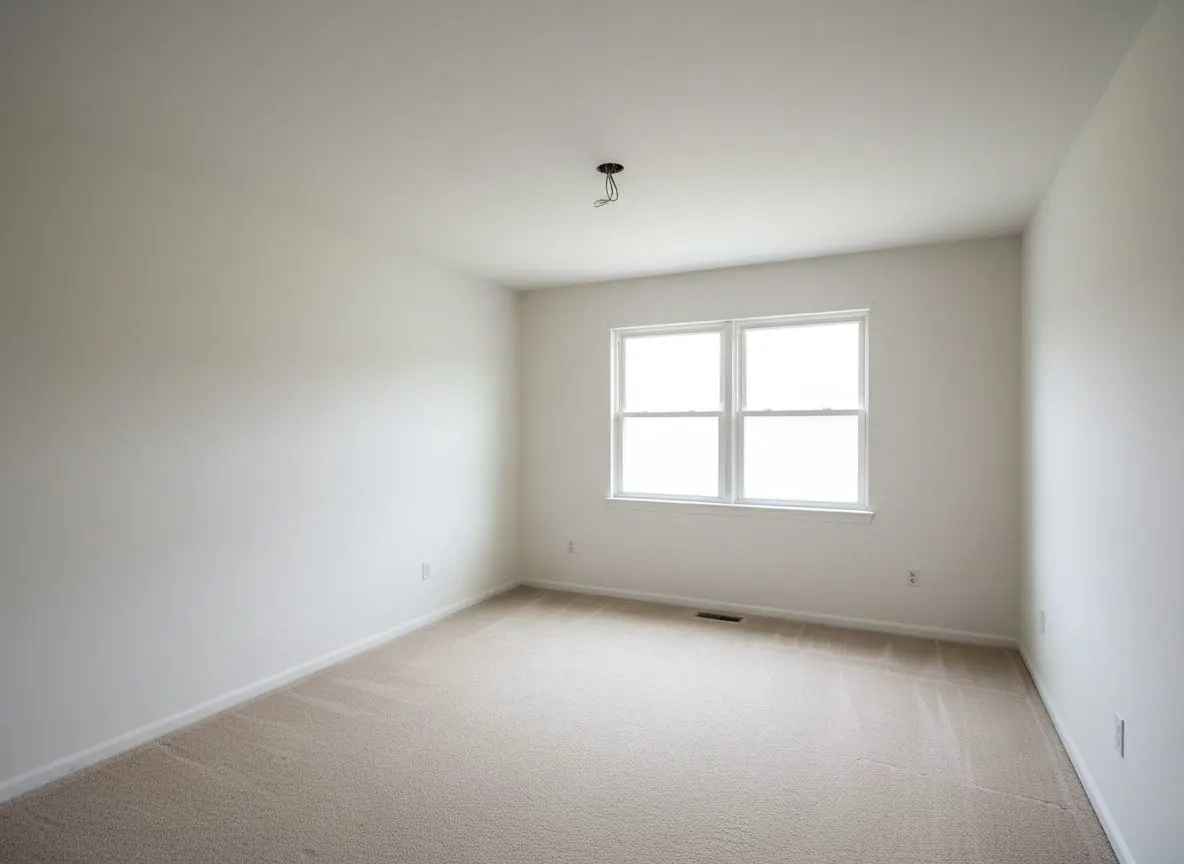
Popcorn off, flat ceiling on
Shadle
Unpainted texture wetted and scraped in sheets, then skimmed to Level 5 and finished flat, with the room handed back the same week.
-
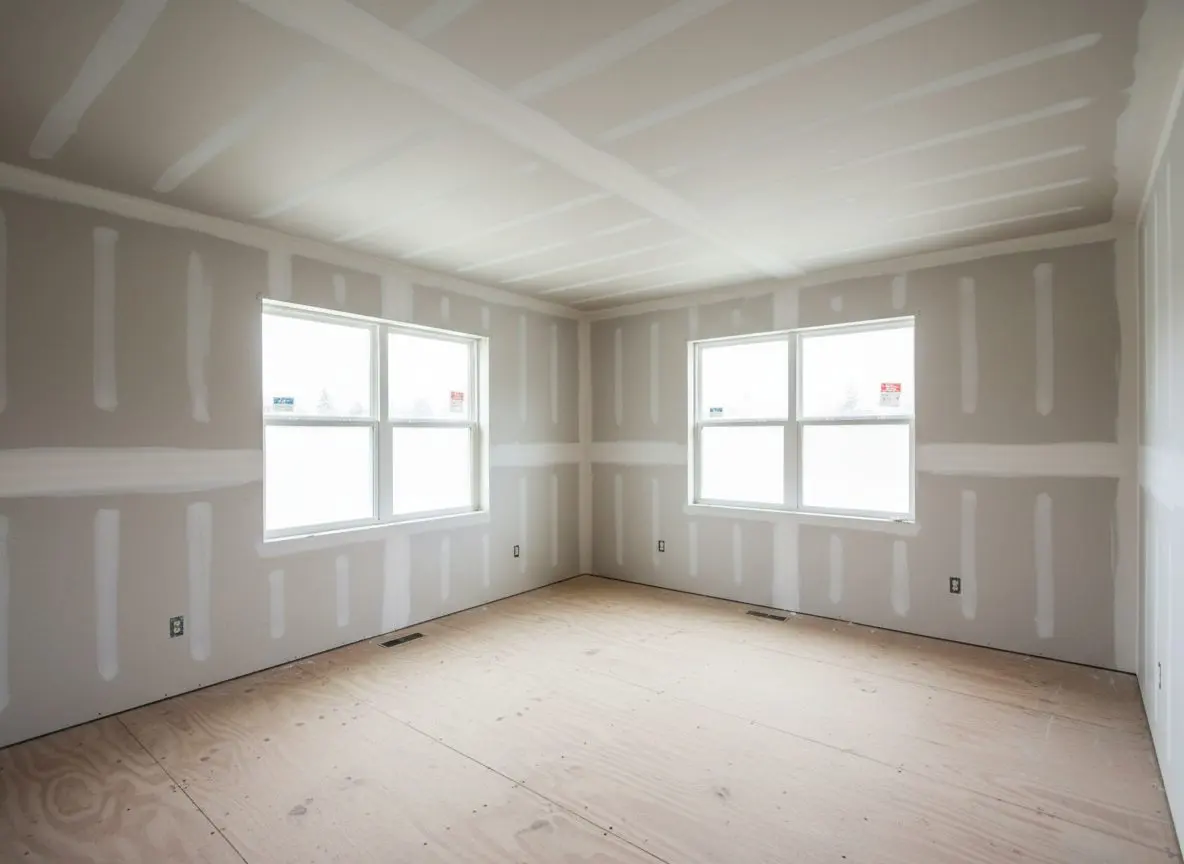
Bellied ceiling taken down
Otis Orchards
Half-inch board on joists at twenty-four inches, sagging in every bay. Taken down and rehung in five-eighths rather than skimmed.
-
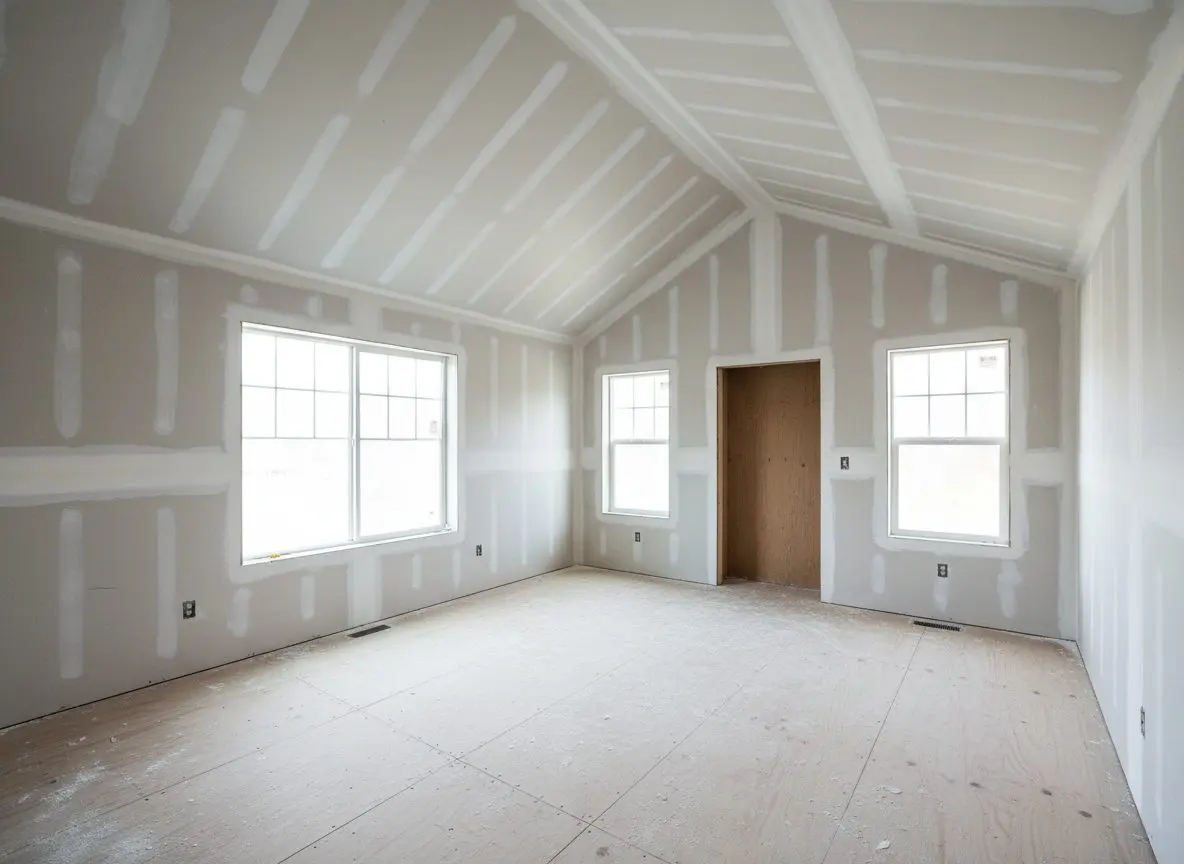
Vaulted ceiling hung new
Newman Lake
Staging up first and the board run from the ridge down, so no joint landed where the west light crosses the room in the evening.
-
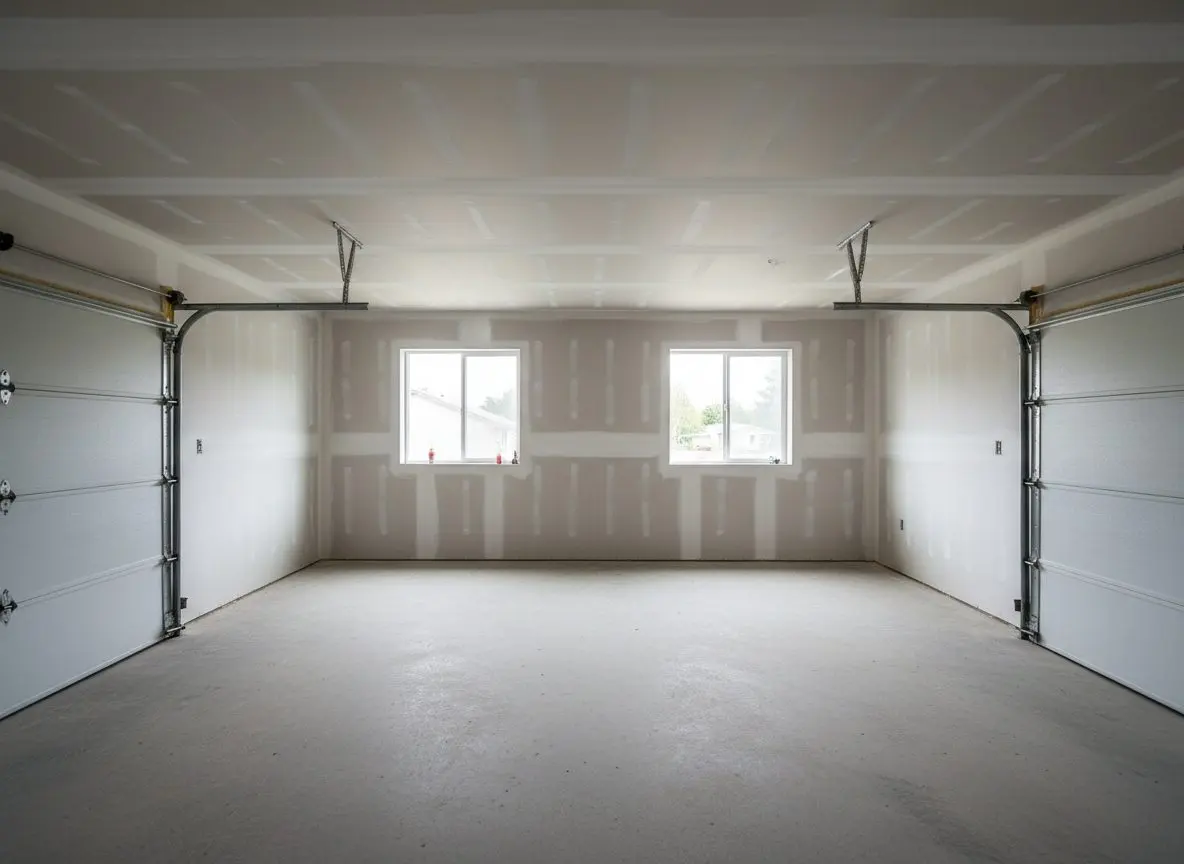
Garage ceiling to a fire rating
Millwood
Type X under a bonus room, screws at twelve inches, taped and finished flat, with the inspection booked before the board went up.
-
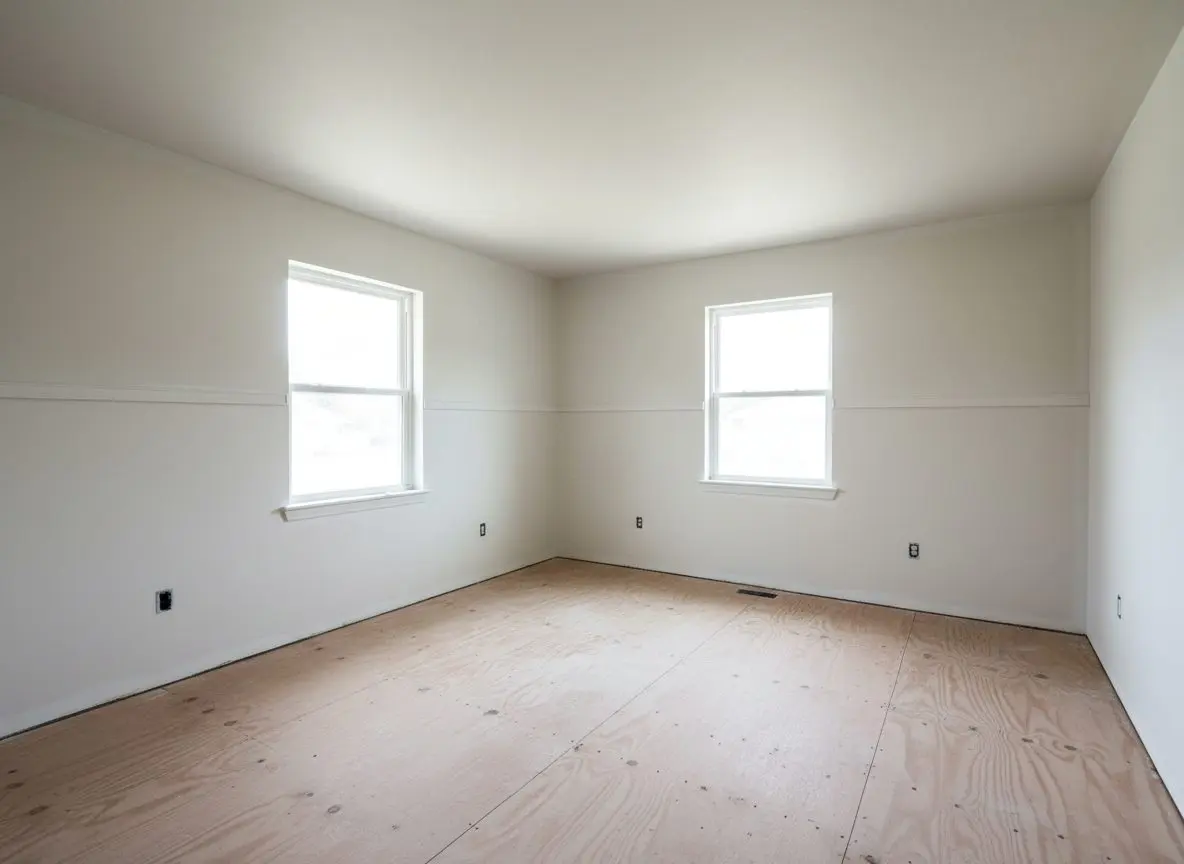
Painted popcorn, dry removal
Medical Lake
Texture sealed under two coats of paint, so it came off dry and hard. Room sheeted floor to picture rail and stripped in two days.
-
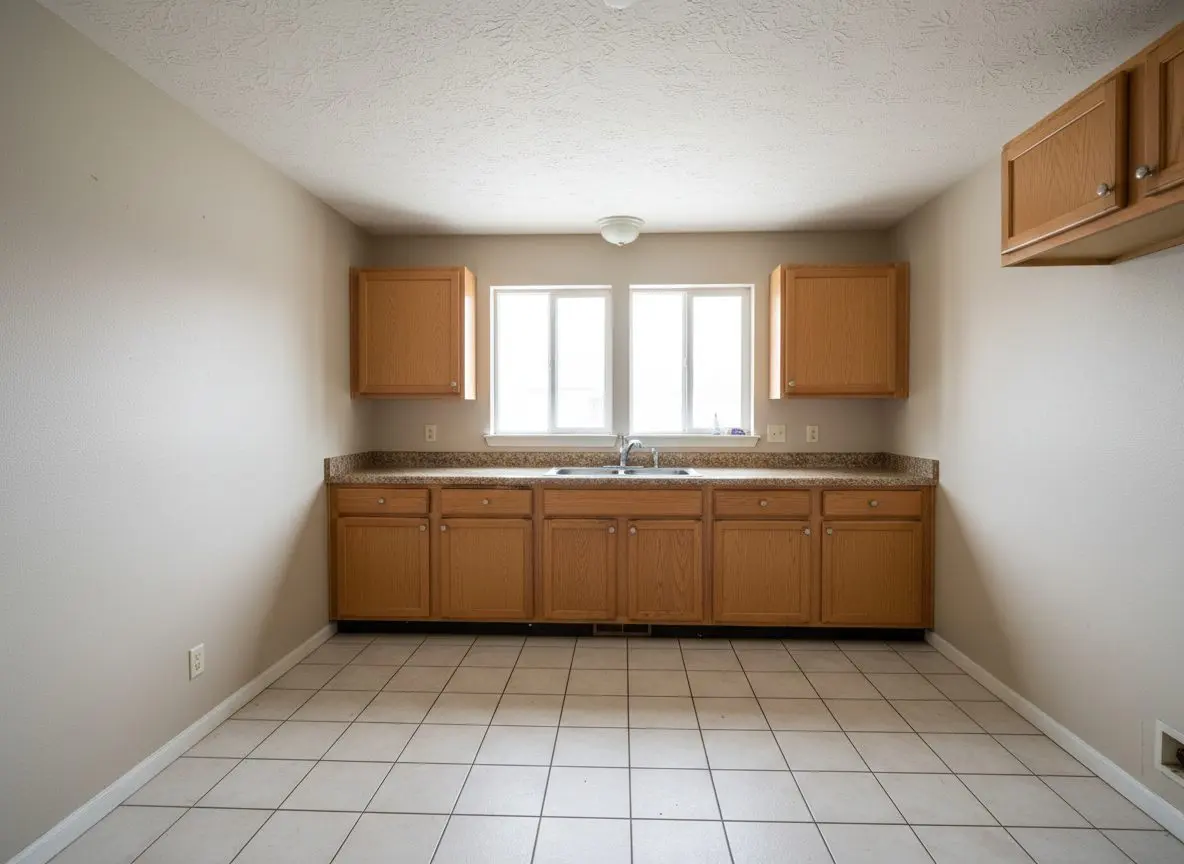
Kitchen ceiling after a leak above
Airway Heights
Board cut back past the damp line and the joists checked and dried before anything closed up, then rehung and textured to match.
What people said once the ceiling was flat
-
Rated 5 out of 5
Nobody else who quoted got a ladder out. They did, and showed me the ceiling was already moving.
Bev C. Otis Orchards Ceilings -
Rated 5 out of 5
Popcorn came off in a day and a half and the room was usable that weekend. I had been told by two people it would be two weeks and everything would need to come out of the house.
Nathan F. Shadle Ceilings -
Rated 5 out of 5
Ours was painted popcorn, so it came off dry and it was every bit as bad as they warned me it would be. They said so up front and the price did not move afterwards.
Lucy D. Medical Lake Ceilings
Every one of these started with a look at the room and a price. Yours can start the same way.
Get a free quoteFAQs
Frequently asked questions
Questions people ask before a ceiling comes down
Will scraping the popcorn damage the ceiling underneath?
It scuffs the paper face, which is expected and is why a scrape is always followed by a skim rather than straight by paint. What it must not do is tear the paper, and that is about wetting the texture properly and keeping the blade shallow. A ceiling scraped dry and fast is where the damage comes from.
Does old popcorn have to be tested for asbestos first?
If the ceiling went up before about 1980, yes, and we will not scrape it until somebody has. A sample goes to a lab and the result takes a few days. It is not ours to skip, and if it comes back positive the ceiling belongs to a licensed abatement contractor rather than to us. We would say so rather than start.
Can we do one room, or does the whole floor have to match?
One room is fine and most jobs start that way. The thing to look at first is the doorway: where two ceilings meet under an open threshold, the difference between a flat one and a textured one is obvious from either side. Rooms with a door between them can be done years apart.
Is the ceiling left flat or does it get a new texture?
Whichever you choose, and it is worth deciding before we start rather than after. Flat is the usual request once popcorn is gone, and it is the least forgiving surface in the house because a ceiling is always lit from the side. A light knockdown or orange peel hides more and needs less finishing.
How many days does a popcorn ceiling removal take?
One room is two to three days on site, and the scraping is done in the first morning. The rest is coats and drying, and nothing overhead can be rushed. A whole floor of a house runs closer to a week, most of which is waiting rather than working.
Do we have to empty the room before you start on the ceiling?
Small furniture out, the rest to the middle under sheets. Wet-scraped popcorn comes down in lumps and lands on everything below it, so the floor is covered wall to wall and the doorway sealed before anything is touched. The room is unusable for the days we are in it; the rest of the house is not.
Do the light fixtures and the fan have to come down?
They do, and we take them down. Anything hanging comes off and the circuit goes off at the panel first, because scraping around a fixture leaves a ring of old texture that nothing hides afterwards. We refit what we removed once the finish is dry. Anything needing rewiring is an electrician's job, not ours.
Can you work with blown-in insulation above the ceiling?
Yes, and it is one of the first things we ask about on an older house. Taking a ceiling down under blown-in insulation drops all of it into the room, so it comes out in sections with the insulation contained and bagged as we go. Replacing it afterwards is an insulation contractor's work and we say so up front.
Is a plaster ceiling more work than a drywall one?
Yes, and it is the most common surprise in the pre-1940 stock. Plaster on wood lath is heavier, comes down differently, and what is left has to be cut back to a key that still holds. A drywall ceiling is a sheet count from the doorway; a plaster one is not fully known until some of it is off.
Do you use screws or nails on a ceiling?
Screws, everywhere, and more of them per sheet than a wall gets. Nails work loose as framing dries and that is what puts a row of round pops across a ceiling a few years on. Screws are set to depth with a collated gun so the head dimples the paper without cutting through it, which is what holds.
Do I have to be home while the ceiling is being done?
For the first morning, so we can walk the room and agree what is being covered and what is being moved. After that, no. Most people leave a key or a code and we lock up at the end of each day. You have a direct number for whoever quoted it if anything needs deciding while you are out.
What if the water stain bleeds back through afterwards?
That is a sealing problem rather than a board problem, and it is worth knowing before you paint. An old tannin or nicotine stain comes through latex primer however many coats go on, and needs a stain-blocking primer over that patch. We mark where those spots are. If one appears after we leave, call us.
Spokane Drywall Pros
One crew is kept off the schedule all year, for the ceiling that drops on a Tuesday.
Spokane Drywall Pros hangs, tapes, finishes and textures board across Spokane and the towns out to the county line. New construction and additions, repairs after a leak, popcorn ceilings taken down, and whole houses hung to a turnover date. Four crews and a little over two hundred jobs a year.
Why people call us rather than the next name on the list
- Twelve years hanging drywall in this valley
- The measure is free and the quote names the board and the finish level
- References from recent jobs in your part of town, yours to call
- Dry air here sets compound early, and the schedule is built around that
- The room is swept, vacuumed and handed back before the van leaves
If you have a wall that has cracked, a ceiling that has started to sag or a room that needs drywall from scratch, call (509) 357-5705 and somebody will come and look at it. You get a price taken off the rooms themselves rather than guessed over the phone, and if a patch will do the job we will tell you so.
Give us a call
Send us a message
304 W Pacific Ave, Ste 210, Spokane, WA, 99201
Where to find us