For homeowners

Residential Drywall in Spokane

Work done in an occupied house: masked off, cleaned up daily, and finished on the day we said it would be.

What it is like having drywall work done in your house

You get the room back when we said, swept, vacuumed and ready to paint — not a week later with dust still on the baseboard.

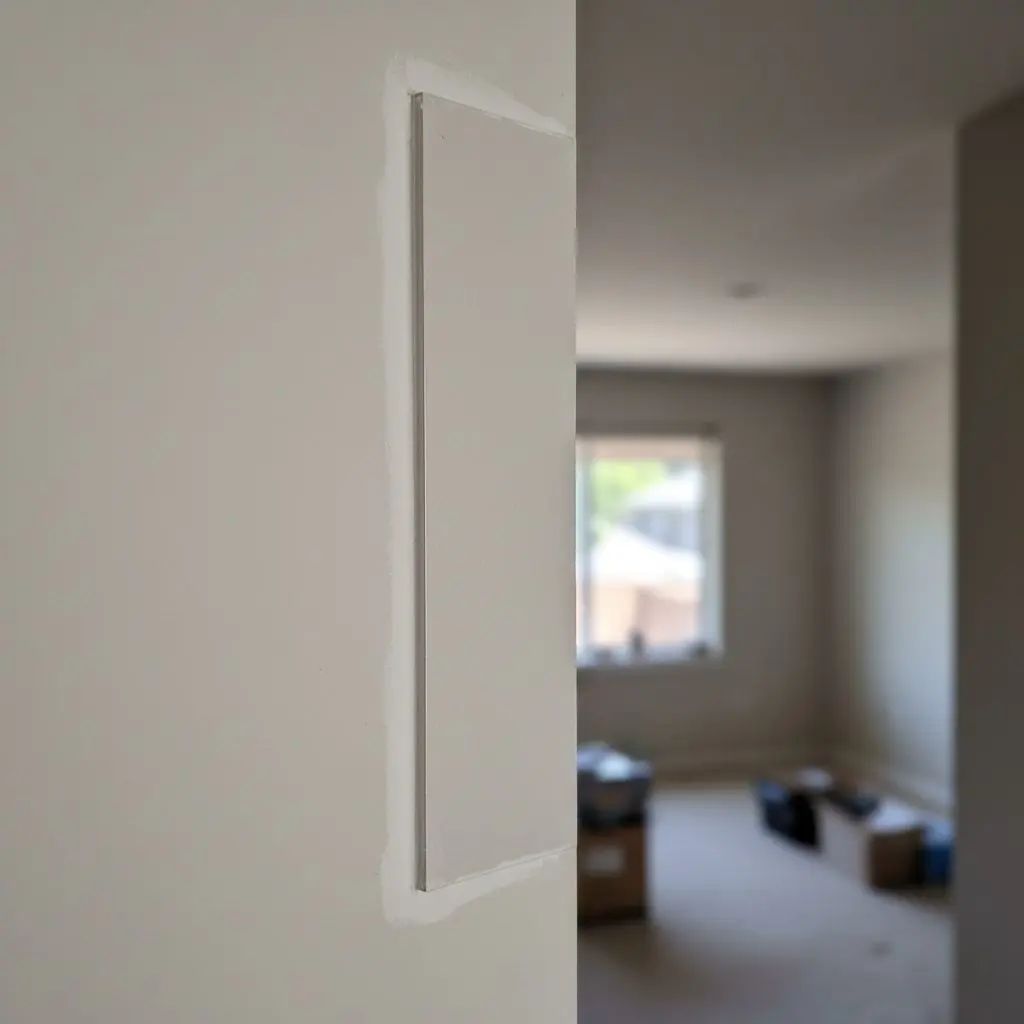
A close, square view of a finished drywall corner in a family home, the metal-reinforced bead skimmed over and sanded so the corner runs perfectly straight

Spokane Drywall Pros is a drywall contractor in Spokane. Most of our work is in houses people are still living in, which is a different job from an empty new construction and we price it as one.

Patching and repairs, ceilings, whole rooms after a leak, basements and additions. On an occupied house that also means floor protection, plastic to the doorways, and a vacuum sander instead of an open one wherever the dust has somewhere to go.

One cracked corner in a hallway is a morning. A whole basement is two weeks. Either way you get told which, before we start, and we hold to it.

Call (509) 357-5705 for a free look at the job. We come out inside two days and you get a written figure the same evening.

Living in the house while the work happens

Most of the job is protecting everything that is not the wall.

Drywall dust is the finest dust on any job site and it will find its way into rooms nobody worked in. Containing it is not a courtesy — it is most of the setup time, and it is the difference between a room being redecorated and a house being cleaned for two weeks afterwards.

The loud work and the dusty work are the same work, which is why it gets fitted around your day rather than ours.

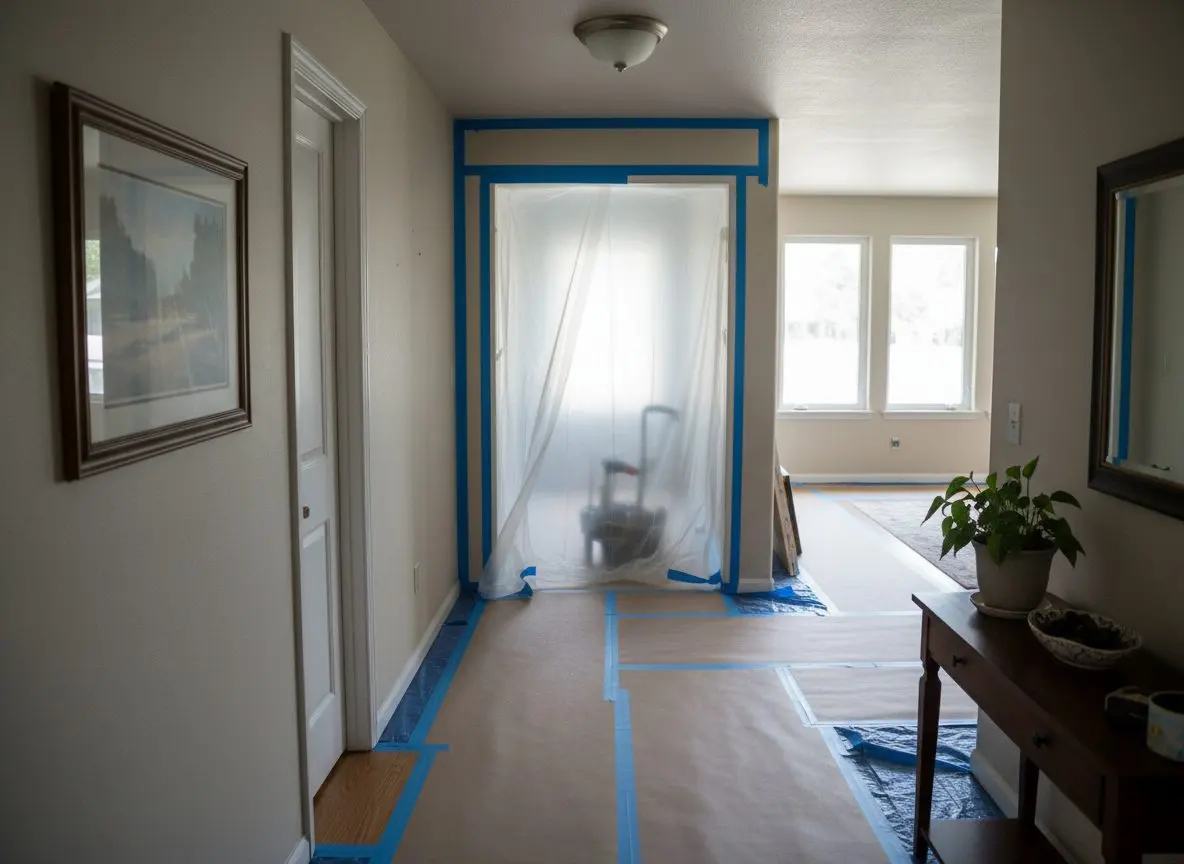
  • Floors covered, doorways sealed
  • Vacuum sanding, not open sanding
  • Return vents sealed before we start
  • Swept and vacuumed at the end of each day
  • Sanding scheduled around naps and shift work
  • Furniture put back where it was
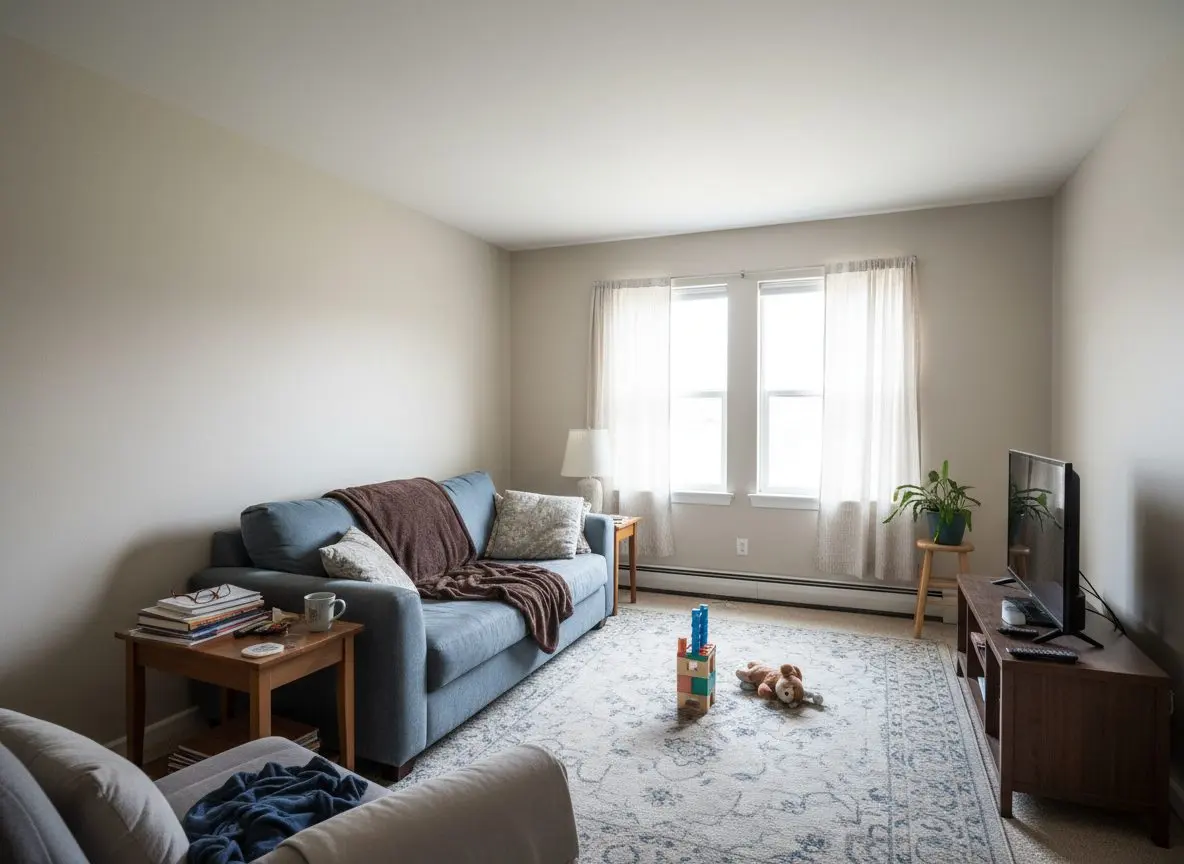
A finished room in an occupied family home where the walls have been skimmed flat and patched, furniture back in place and the room in ordinary use
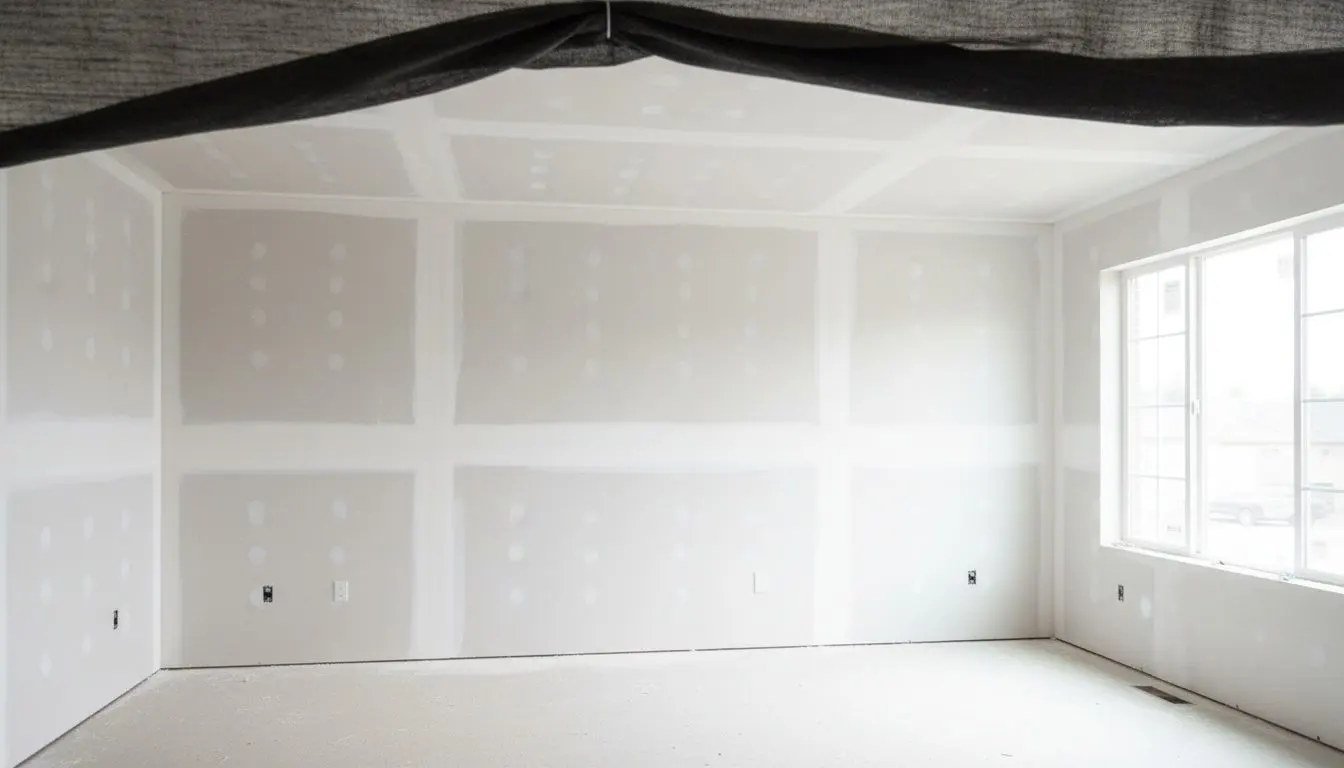
A hallway in the same home with the floor protected and the doorway sealed against dust, the work contained to one room while the rest of the house carries on

Our residential drywall services in Spokane

Commercial Residential
  • Drywall Installation

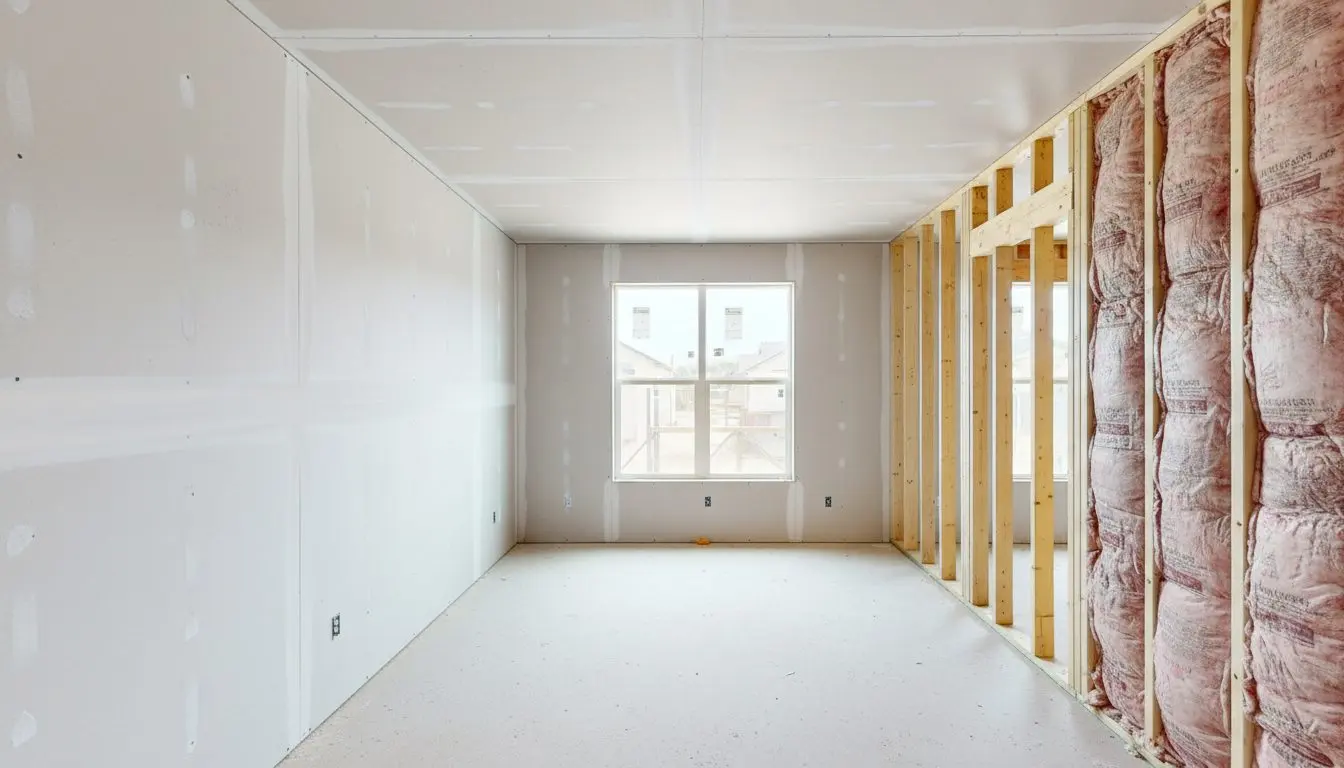
    For anyone starting with bare studs — new construction, an addition, a basement going from storage to living space. This is the stage nobody sees and everything after it depends on: get the board hung true and the finisher has an easy job, get it wrong and no amount of mud hides it. Builders book us by the phase.

    Learn more about Drywall Installation
  • Drywall Repair

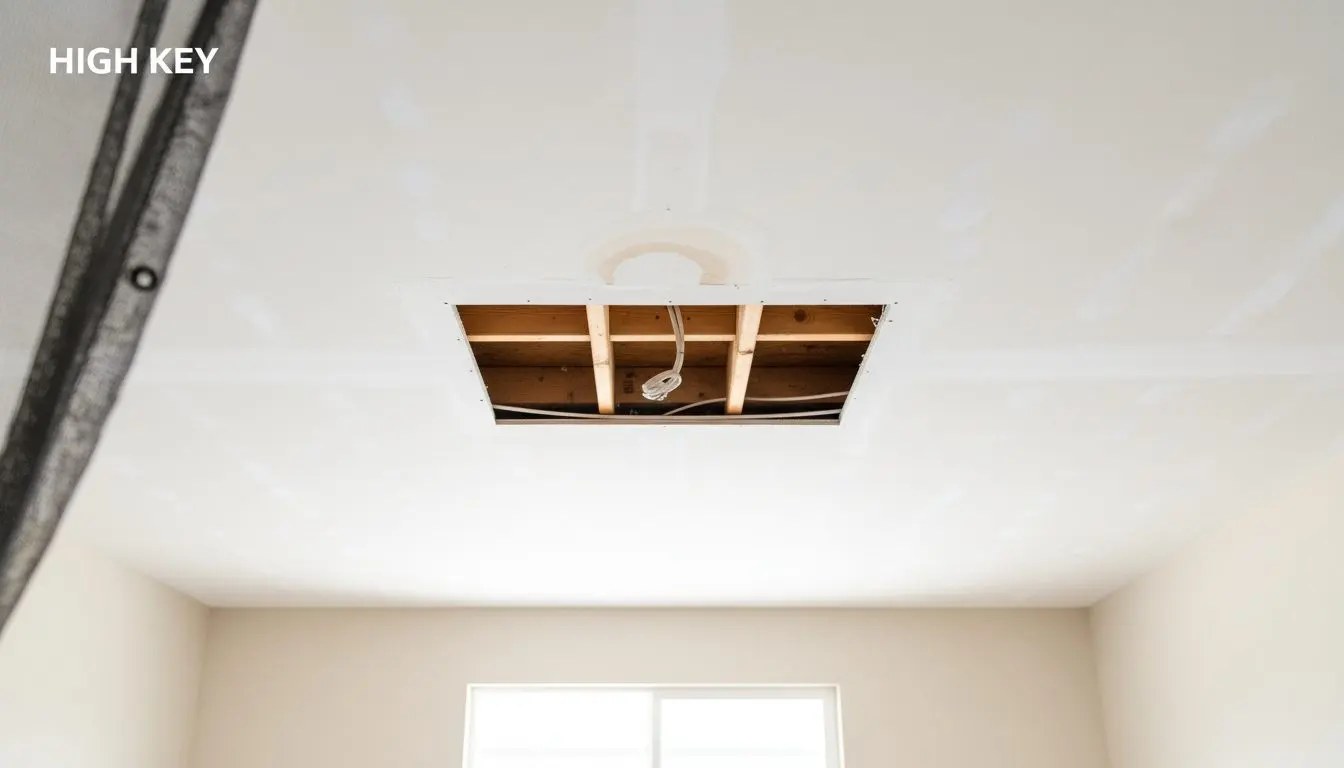
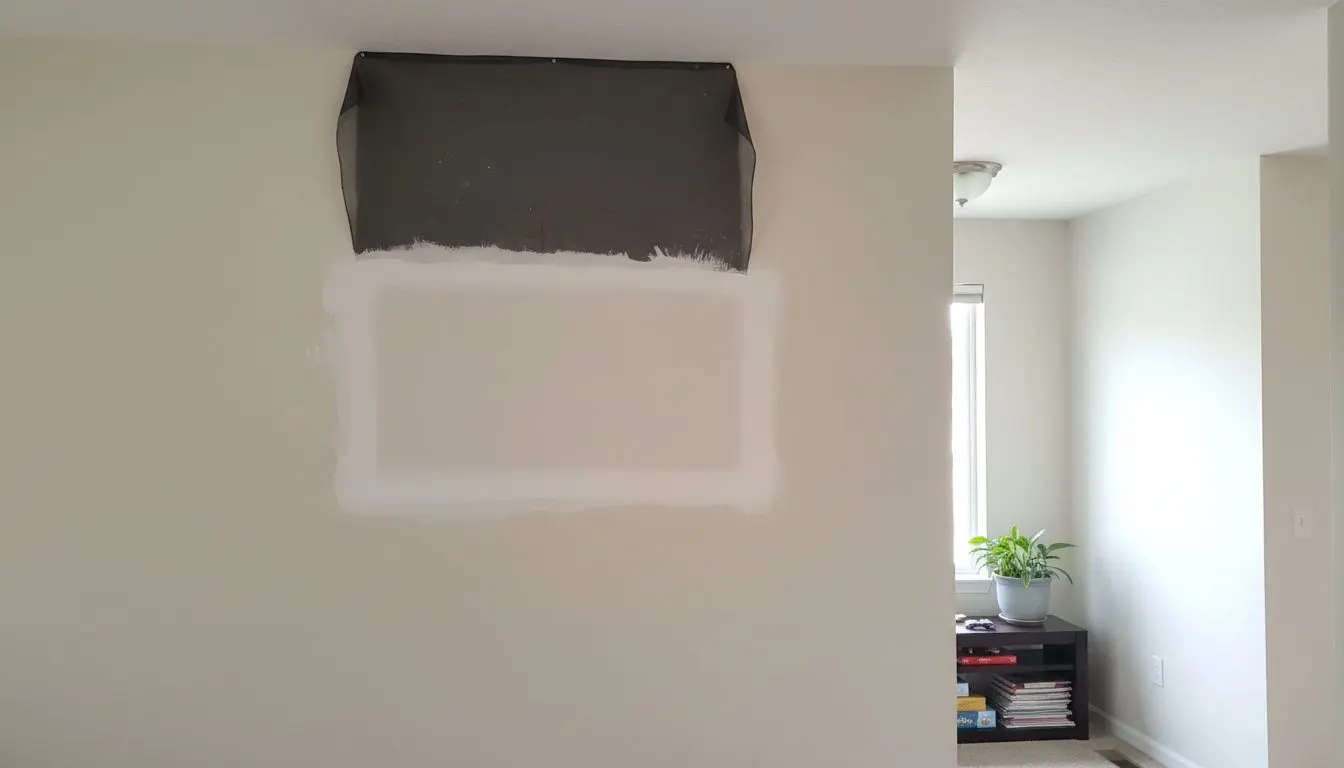
    For the crack above the door that has come back twice, the hole behind a door handle, the ceiling that went soft after a leak upstairs. Most people have put it off because it feels too small to call about. It is not, and a repair that matches the wall around it is a different trade from patching it.

    Learn more about Drywall Repair
  • Texture and Finishing

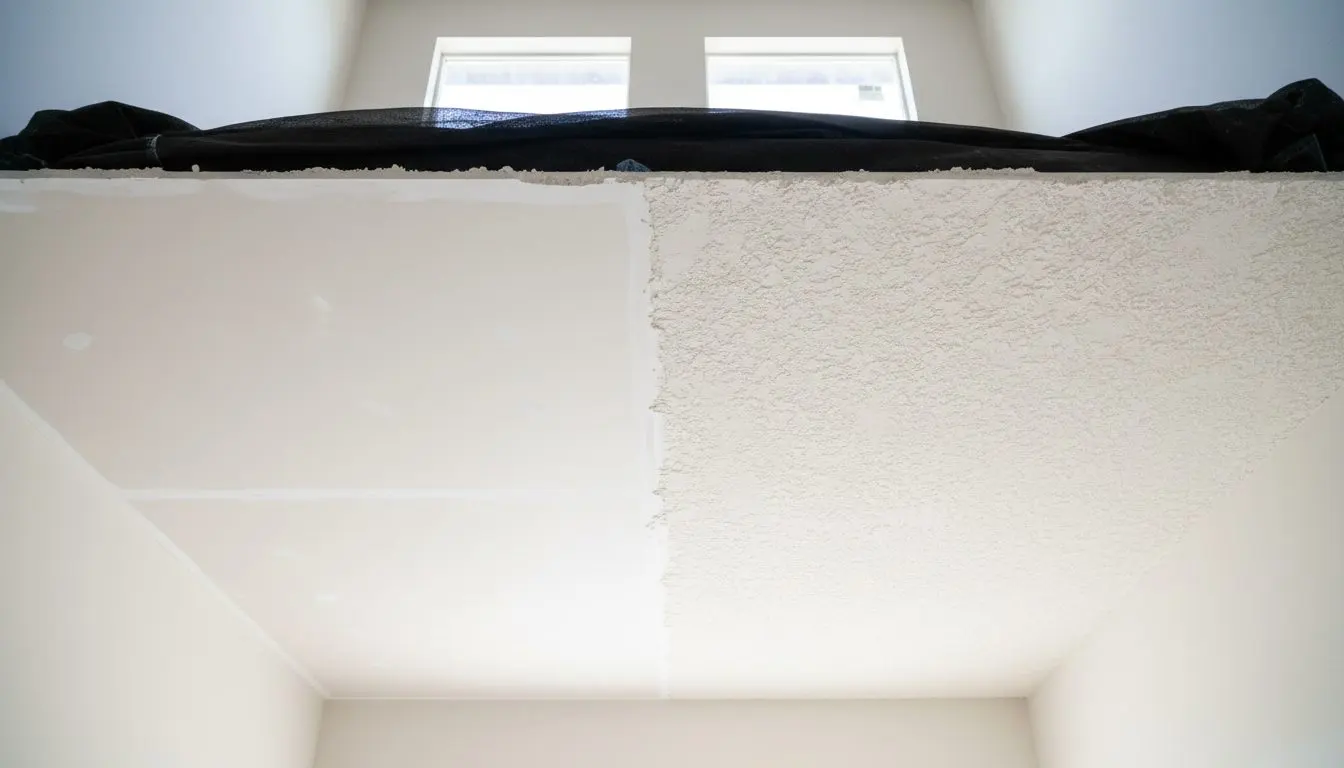
    For the room where new work has to disappear into old. Matching an existing knockdown or orange peel is the part homeowners underestimate and the part that decides whether a repair reads as a repair. Also for anyone changing texture across a whole house, which is a bigger job than it sounds.

    Learn more about Texture and Finishing
  • Ceilings

    For popcorn that dates the house, sagging that has started to worry you, and new ceilings in additions and basements. Ceilings are the least forgiving surface in the building — everything is lit from the side and there is nowhere for a bad seam to hide — so they are the clearest test of whoever you hire.

    Learn more about Ceilings
  • Water Damage Repair

    For after the leak has been fixed and somebody has to make the room whole again. Insurance work, burst pipes, roof failures. The board has to come out further than the stain goes, the cavity has to be dry before anything closes up, and both of those get skipped by people in a hurry.

    Learn more about Water Damage Repair

What happens in your house, day by day

Three to six days in the room, one of them dusty, and the house handed back liveable every night.

  1. A look at the room

    Same week

    Somebody stands in the room, works out how far the damage actually goes, and tells you which marks need doing now and which can wait. That visit costs nothing and takes about half an hour.

  2. The days, and the dusty one

    With the price

    You get a written price and the number of days it takes, with the sanding day marked. That is the one to plan around — it is the only stage that puts dust anywhere but the room itself.

  3. Clearing and covering

    First hour on site

    Small things out, the rest to the middle under sheets, floors covered wall to wall and the doorway taped. Return vents get sealed too, because that is how dust reaches rooms nobody worked in.

  4. Board up and taped

    One to two days

    The noisy part, and the shortest. Cutting and screwing is done in daylight hours we agree with you first, so it does not land on a nap, a night shift or a call you have to take.

  5. Coats, drying and the sand

    Two to four days

    Mostly waiting. A coat goes on, dries and gets another, and the room is out of use while it does. The sanding is the last half hour of it and it is done with a vacuum rather than open.

  6. Swept, put back, walked

    The day we finish

    Furniture back where it was, floor swept and vacuumed, and the room walked with you under a light before the invoice — because that is when a seam shows and not before.

Call for a free look at the job and we will tell you how many days it takes and which of them are the dusty ones.

Get a free quote

Why the same-size room costs more in a lived-in house

The board and the tape are the cheap half. On a house somebody is living in, it is what has to happen around them that moves the number.

How much has to be moved
An empty room is quicker than a full one. Wardrobes, beds, a piano and anything fixed to the wall all have to move and come back, and that is time spent before a single sheet is cut.
Where the dust can get to
An open-plan house with return vents in the ceiling needs more containment than a closed room with a door. Sealing, plastic and vacuum sanding are setup hours that never show in the finish.
Matching what is already there
New board on a bare wall is straightforward. Blending into a texture painted twice takes a sample, a test board and a slower hand, and it is what decides whether a repair reads as one.
Ceiling height and the stairs
Anything over nine feet, a stairwell or a vaulted room needs staging before a sheet moves, and staging goes up and comes down whatever the room measures. Old staircases add to it again.
What is behind the board
Framing out of true has to be corrected first, plaster on lath is a different repair from drywall, and a wall that has been wet comes back further than the stain. All of it is found, not quoted.
Whether you are living in it
A house handed over empty runs in one block. One handed back every evening runs in shifts, with packing down and setting up each day, and that is the biggest gap between two identical rooms.

Which of these apply is settled in ten minutes standing in your room, and you get a written price from the room rather than a rate over the phone. Get a free quote

Questions people ask before booking the work

How much mess does drywall work actually make?

Less than you fear if it is set up properly, and more than you can imagine if it is not. The dust travels through a house on the heating, so doorways are sealed and return vents covered before anything is cut, and sanding is done with a vacuum, not open. Expect to wipe surfaces afterwards, not to clean for days.

Do I need to move out?

For a repair or a single room, no. For a whole-house reboard or a job that takes the only bathroom out of use, most people find a few nights elsewhere easier than living around it — but that is your call and we will tell you honestly which kind of job yours is.

How long will the room be out of use?

A patch is a morning plus drying time. A single room is two to four days depending on the finish level, because the mud has to dry between coats and rushing that is what causes cracks later. We give you the days at the quote, not on the morning we start.

Can you work around children or someone working from home?

Usually. Cutting and sanding are the loud parts and they can be scheduled — mornings, afternoons, or around a nap or a call. Tell us the constraint when we come out and we will plan the days around it rather than telling you afterwards.

Will you clean up?

Every day, not just at the end. Sheets stay down while the job runs, waste goes out as it is made, and floors are swept and vacuumed before we leave each afternoon. Furniture that we moved goes back where it was.

What time do you start, and when do you finish?

On site by eight and off it by four thirty, with the loud work in the middle of the day rather than at either end. If eight is too early because of shift work or a baby, say so when we come out and the crew starts at nine instead. It is easier to plan around than to apologize for afterwards.

Do you need my power, water and somewhere to park?

Power for the sander and the lights, and water for mixing and cleaning tools. Both are ordinary household amounts rather than anything you will notice on a bill. Parking matters more than either: board is heavy and carrying it an extra fifty yards adds real time, so we agree where the truck goes at the measure.

Where does all the waste go?

Out with us, the same day it is made. Scrap, buckets, tape and bagged dust go in the truck rather than into a pile on the driveway waiting for a dumpster. On a whole-house job there is more of it than people expect, which is exactly why it leaves daily rather than accumulating in the garage.

Can you do one room at a time?

Yes, and on an occupied house it is often the sensible way. One room means one set of containment, one dusty day and the rest of the house usable throughout. It costs a little more overall than doing everything in one visit, and most people with children or someone working from home take that trade.

What about pets, and the front door?

Tell us before the first morning. Doors get propped while board is carried in and that is exactly the ten minutes a cat leaves through. If there is a dog that needs the run of the house, we will work the containment around it or agree which days are the ones to be out, rather than finding out on the day.

When can I paint it?

The day after we finish on most jobs, and that is the point of finishing properly rather than quickly. Compound has to be dry all the way through rather than dry on the surface, so it is the last coat's drying time that sets the date. We tell you the date at the quote so a painter can be booked against it.

Will the house smell of anything?

Not really. Joint compound is gypsum and water and it has almost no odour, wet or dry — it is the dust people notice rather than the smell. What a house does smell of afterwards is fresh paint, and that is the next trade. If anybody in the house has a chest, the sanding day is the one to be out for.

Spokane Drywall Pros

One crew is kept off the schedule all year, for the ceiling that drops on a Tuesday.

Spokane Drywall Pros hangs, tapes, finishes and textures board across Spokane and the towns out to the county line. New construction and additions, repairs after a leak, popcorn ceilings taken down, and whole houses hung to a turnover date. Four crews, a little over two hundred jobs a year, residential and commercial alike.

Why people call us rather than the next name on the list

  • Twelve years hanging drywall in this valley, since 2014
  • The measure is free and the quote names the board and the finish level
  • One crew held back for repairs, so a small job is not queued behind a build
  • Dry air here sets compound early, and the schedule is built around that
  • The room is swept, vacuumed and handed back before the van leaves

If you have a wall that has cracked, a ceiling that has started to sag or a room that needs drywall from scratch, call (509) 357-5705 and somebody will come and look at it. You get a written price off the measurements rather than a number guessed over the phone, and if a patch will do the job we will tell you so.

(509) 357-5705

Give us a call

office@spokanedrywallpros.com

Send us a message

304 W Pacific Ave, Ste 210, Spokane, WA, 99201

Where to find us

Ask for a price

(509) 357-5705 Get a free quote